Wet weather can make everyday movement around the home more challenging, especially for people who use mobility aids, have reduced balance or feel less confident walking on slippery surfaces.
Rain, leaves, mud and poor lighting can all affect the route between the home, garden, driveway and pavement. A path that feels manageable in dry conditions may become less comfortable after heavy rain. A front step may become harder to see in the evening. A hallway may become cluttered with wet coats, umbrellas and shoes.
For many households, improving safety during wet weather does not require major building work. Small, practical changes can make daily routines feel easier and more predictable. Clear access routes, suitable lighting, dry storage, effective drainage and the right mobility equipment can all support greater confidence at home.
Start With the Main Route In and Out
The most useful place to begin is the route used most often.
This may be the path from the driveway to the front door, the route from a garden gate to the house or the access between the back door and an outdoor storage area. During wet weather, these routes need to remain as clear and stable as possible.
Look for anything that could make movement more difficult. Loose paving, uneven slabs, moss, wet leaves, deep puddles and narrow sections can all create avoidable challenges.
If a person uses a walking stick, frame, wheelchair or mobility scooter, the route should also be checked for width and turning space. A small obstruction that is easy to step around may be much harder to manage with equipment.
Keeping the main access route tidy can make a significant difference. Move bins, plant pots, garden tools and other items away from paths so that movement remains straightforward.
Reduce Slippery Surfaces
Outdoor surfaces can become slippery when moss, algae and leaves build up.
This is particularly common on shaded paths, patios, ramps and driveways where moisture takes longer to dry. These areas may need more regular attention during autumn and winter.
Sweeping leaves away promptly can help reduce surface mess. Professional cleaning may also be useful where moss or algae has become difficult to remove safely.
A clean surface is easier to inspect. Once dirt and growth have been cleared, you may notice damaged paving, cracks, raised edges or areas where water collects. These details are worth addressing early because they can become more noticeable during poor weather.
For households where someone has limited mobility, even small changes in surface condition can affect confidence. A stable, clear route supports safer daily movement.
Improve Lighting Around Entrances
Wet weather is often combined with darker mornings and evenings.
Good lighting around entrances, paths, driveways and storage areas can make hazards easier to see. Step edges, puddles, uneven surfaces and changes in level are all more difficult to judge when visibility is poor.
Motion-sensor lights can be useful near doors and side paths. Wall lights, porch lights and low-level path lighting may also help depending on the property layout.
Check that existing lights work properly and are not blocked by plants, dirt or cobwebs. It is also worth standing outside after dark to see whether the most important routes are genuinely visible.
Lighting should be practical rather than harsh. The aim is to help people move confidently from one point to another, especially when carrying bags, using a walking aid or preparing to use a mobility scooter.
Keep Entrances Dry Where Possible
A wet entrance can quickly make the home feel less manageable.
Rainwater near a doorway may create slippery steps, damp mats and wet flooring just inside the home. This can be especially inconvenient where someone needs extra time to unlock the door, use mobility equipment or move carefully across a threshold.
Shelter can help. A porch, canopy or covered area near the door can provide somewhere to pause before entering or leaving the property. Even a modest amount of cover can make a difference during wet weather.
Rainwater management should also be reviewed. Overflowing gutters or poorly positioned downpipes can direct water onto paths, ramps and doorways. Homeowners considering improvements to gutters, downpipes or roofline products can explore the aluminium rainwater systems available from Alugutter. A well-maintained rainwater system can help direct water away from key access areas and reduce avoidable pooling around entrances.
Create a Wet-Weather Storage Area
Wet coats, shoes, umbrellas and mobility accessories need somewhere practical to go.
If these items are left in the main hallway, they can quickly create clutter and damp patches. This can make movement more difficult, especially where space is already limited.
A simple wet-weather area near the entrance can help. This might include coat hooks, a shoe tray, an umbrella stand, a small bench, a towel for drying mobility equipment or a basket for gloves and outdoor accessories.
For people who use walking aids or wheelchairs, it can also be useful to have a consistent place to store equipment when it is not in use. The storage area should be easy to reach and should not block the main route through the home.
The goal is to keep the entrance clear, dry and predictable.
Think About Mobility Equipment in Poor Weather
Mobility equipment can support independence, but weather conditions should be considered when planning daily use.
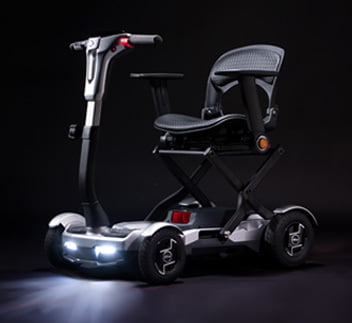
A mobility scooter or powerchair may need a dry, secure place for storage and charging. Walking aids may need to be kept close to the entrance so they are available when needed. Wheelchairs should have a clear route between indoor and outdoor areas.
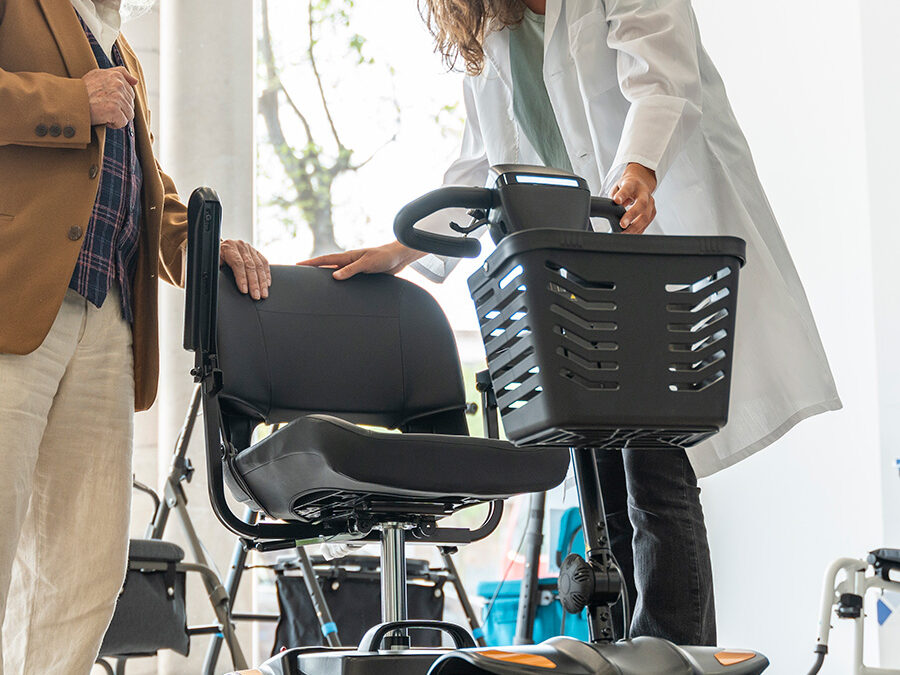
Before choosing equipment, it is helpful to consider the home environment as well as the user’s needs. A&A Mobility offers home assessments that can check access, measure doorways and help confirm whether a product suits the space and lifestyle of the person using it.
This can reduce guesswork and make it easier to choose equipment that works in real daily routines, including wet-weather access.
Review Door Thresholds and Steps
Thresholds and steps can become more difficult during wet weather.
A raised lip at the front door, a small step onto a patio or an uneven transition between surfaces can affect how comfortable a route feels. Wet shoes, reduced visibility and carrying items can make these changes in level more noticeable.
Where possible, thresholds should be kept clear, clean and well lit. Mats should sit flat and should not create a new trip hazard.
If a step is unavoidable, consider whether a handrail, improved lighting or contrasting edge could make it easier to use. In some cases, a ramp or threshold adjustment may be appropriate, depending on the property and the person’s needs.
Professional advice can help identify which changes are practical and suitable.
Keep Internal Walkways Clear
Wet weather can bring more items into the home, which can quickly affect internal movement.
Shoes, umbrellas, bags, parcels and coats may collect near doors, while damp flooring can create additional concern. Keeping hallways and main walkways clear is just as important as maintaining outdoor paths.
Try to create simple storage habits. Everyday items should have an obvious place, and floors should be kept as clear as possible.
For people who use mobility aids, narrow or cluttered hallways can make movement more tiring. A clear route from the entrance to the main living areas, bathroom and bedroom can help daily routines feel easier.
Plan Ahead for Appointments and Journeys
Wet weather can make leaving the house take longer.
Allow extra time for coats, shoes, mobility equipment, bags and locking the door. This can reduce the feeling of being rushed, which is often when slips, trips or mistakes are more likely.
If using a mobility scooter, check that it is charged and ready before it is needed. If travelling by car, make sure the route to the vehicle is clear and that any equipment can be moved safely.
For regular appointments, it may be useful to keep essential items near the entrance. Keys, medication, appointment letters, glasses and outdoor accessories can be stored together so there is less to remember before leaving.
A calmer routine can make wet-weather journeys feel more manageable.
Small Changes Can Make a Meaningful Difference
Making everyday movement safer during wet weather is not about removing every risk or changing the whole home at once.
It is about identifying the areas that create difficulty and making practical improvements. Clear paths, better lighting, dry entrances, effective drainage and suitable mobility equipment can all contribute to greater confidence.
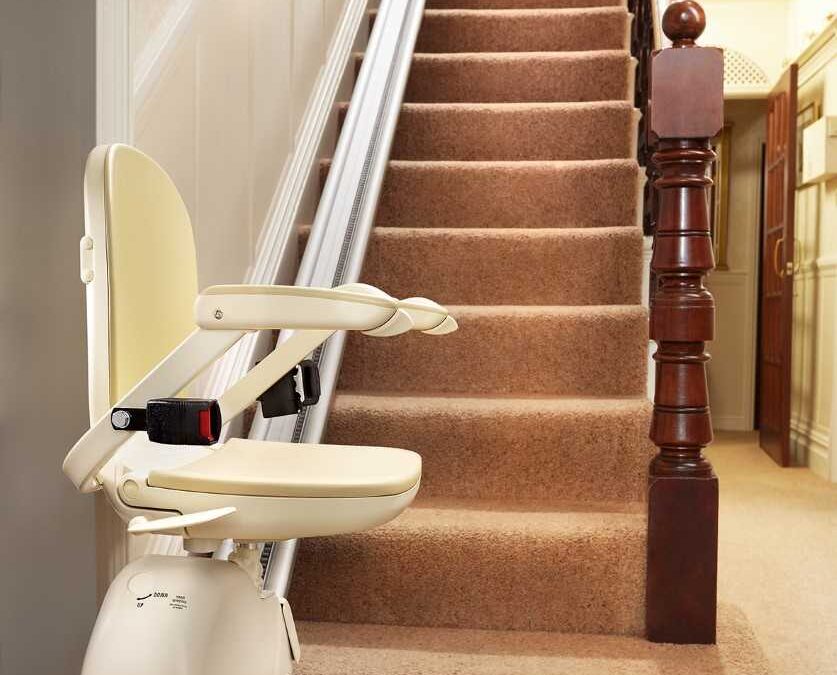
A&A Mobility provides mobility scooters, wheelchairs, stairlifts, powerchairs, walking aids, bathroom rails and home assessment support to help customers choose products suited to their needs and home environment.
For advice on mobility equipment or arranging an assessment, contact A&A Mobility today.