A garden should be a space that feels enjoyable, relaxing and easy to use. However, uneven paths, slippery patios, awkward steps, poor lighting and limited seating can make outdoor areas more difficult to access over time.
For many people, making a garden more accessible does not mean redesigning everything at once. Small, considered improvements can make a significant difference. A clearer path, better drainage, a secure handrail or a comfortable place to sit may make it easier to spend time outdoors and use the garden with greater confidence.
Accessibility is also about convenience. A garden that is simple to move around, easy to maintain and protected from avoidable weather-related problems can become a more practical extension of the home.
This guide explores some useful ways to make outdoor spaces easier to enjoy, whether you are planning ahead, supporting a family member or making gradual improvements to a property.
Begin With the Main Route Through the Garden
The first area to consider is the main route from the house into the garden. This could be a patio door, back entrance, side path or driveway access point.
Think about how easy it is to move from the home to the garden. Is there a raised threshold? Are there steps that feel awkward? Does the path become narrow, uneven or slippery after rain?
A clear route can make a major difference to how often a garden is used. Ideally, the main path should be firm, level and free from unnecessary obstacles. It should provide enough space for someone using a walking aid, wheelchair or mobility scooter to move comfortably where possible.
Loose gravel, uneven slabs and steep changes in level can make a route less practical. While not every garden can be made completely level, addressing the most difficult sections can improve day-to-day access.
It can be helpful to walk the route at different times of day and in different weather conditions. What seems manageable in dry weather may feel very different after rainfall or during darker winter afternoons.
Choose Safe, Practical Surface Materials
Garden paths and patios need to look good, but they also need to remain safe and reliable.
Over time, outdoor surfaces can develop moss, algae, dirt and leaf buildup. This can make paving slippery, especially in shaded areas where moisture takes longer to dry.
Regular cleaning can help maintain grip and improve the appearance of paths, patios and seating areas. It also makes it easier to spot loose slabs, cracks, uneven edges or areas where water is collecting.
When replacing or improving a surface, consider how it will perform throughout the year. Smooth materials may look attractive, but they can become slippery in wet conditions. A more textured surface may offer better grip and make walking or using mobility equipment feel more secure.
The most suitable option will depend on the layout of the garden, the style of the property and how the space is used. The key is to choose a surface that balances appearance, maintenance and practical access.
Improve Drainage Around Paths and Patios
Water management is an important part of keeping a garden accessible.
Standing water can make paths slippery, encourage algae growth and create muddy or uneven areas around the home. It can also make patios and seating spaces less pleasant to use after rain.
Start by checking where water collects. Look at the garden after a downpour and identify areas where puddles remain for long periods. This may indicate uneven paving, blocked drains, compacted ground or rainwater being directed into the wrong place.
Gutters and downpipes can have a direct impact on outdoor access. If rainwater overflows from a gutter or discharges onto a path, it can create wet areas near doorways and garden routes.
Homeowners reviewing their rainwater management can explore aluminium guttering, downpipes and roofline products from Alugutter. A well-maintained rainwater system can help direct water away from patios, entrances and pathways, supporting a cleaner and more practical outdoor space.
Clearing drain covers, removing leaves and keeping gutters free from debris are simple steps that can help reduce avoidable water problems.
Add Comfortable Places to Rest
A garden becomes more usable when there are comfortable places to pause and sit.
Seating should be positioned on firm, level ground and placed where it can be reached easily from the main path. A bench, garden chair or small patio area can provide a useful resting point, particularly in larger gardens where walking from one end to the other may take more effort.
Consider the height and style of seating too. Chairs with arms can make it easier for some people to sit down and stand up. A seat positioned near the house may be useful for short periods outside, while a sheltered spot further into the garden can create a pleasant place to enjoy warmer weather.
It is also worth considering shade and shelter. Direct sunlight can make some seating areas uncomfortable, while a space that is exposed to wind or rain may be used less often.
A simple canopy, pergola or covered patio can make the garden more flexible throughout the year. Any cover should be planned with drainage in mind so water does not run onto paths or seating areas.
Make Steps Safer and More Visible
Steps can be one of the biggest barriers to garden access, particularly when they are uneven, poorly lit or affected by moss.
Where steps are necessary, they should be kept in good condition. Cracked edges, loose materials and worn surfaces should be repaired as soon as possible. Clear edges and contrasting finishes can also make each step easier to see.
Handrails may be helpful where there are several steps or where a person would benefit from extra support. They should be secure, easy to grip and positioned at a practical height.
For some gardens, a ramp may be a more suitable alternative to steps. The available space, slope and property layout will all influence what is possible. A professional assessment can help identify practical options where access is becoming difficult.
Even a small change, such as improving lighting or clearing overgrown plants from around steps, can make the route feel safer and more predictable.
Consider Raised Beds for Easier Gardening
Gardening can be a rewarding way to spend time outdoors, but traditional ground-level beds may become harder to manage.
Raised beds can make planting, watering and general garden care more comfortable because they reduce the need to bend or kneel. They can also create clearer structure within the garden and help keep routes more organised.
The height of a raised bed should suit the person using it. Some may prefer beds that can be reached while standing, while others may benefit from a design that allows access from a seated position.
Container planting can also be a practical option. Pots, planters and vertical displays can bring colour and interest to an outdoor space without requiring extensive ground-level maintenance.
When placing raised beds or containers, make sure they do not narrow the main path or create obstacles around seating areas and entrances.
Improve Lighting for Year-Round Use
Good lighting can make a garden easier to use during darker months and in the evening.
Paths, steps, patios and doorways should all be visible enough to move around safely. Lighting can also make an outdoor space feel more welcoming and encourage regular use throughout the year.
Motion-sensor lights can be useful near entrances and side paths, while low-level lighting may help define the edge of a walkway. Wall lights, solar lights and carefully positioned garden lighting can all contribute to better visibility.
The aim is not to make the garden overly bright. Instead, focus on the areas where safe movement is most important.
Check lights regularly to make sure they are working properly and are not blocked by plants, dirt or garden furniture. A simple maintenance routine can help prevent the garden becoming difficult to use during darker evenings.
Keep Paths and Outdoor Areas Free From Clutter
Outdoor clutter can make a garden feel smaller and less accessible.
Plant pots, bins, tools, hoses, furniture and children’s toys can quickly take up space on paths and patios. This may create trip hazards or make it more difficult to move through the garden using a walking aid or mobility equipment.
A practical storage area can help keep the main route clear. This may be a shed, storage bench, covered box or designated corner of the garden.
It is also useful to trim back plants that overhang pathways. Hedges, branches and climbing plants can gradually reduce the width of a route without being immediately noticed.
Keeping the garden organised does not mean removing personality or character. It simply means making sure that the areas used most often remain clear, predictable and easy to navigate.
Plan Changes in a Sensible Order
Improving garden accessibility does not need to be a single large project.
Many homeowners find it easier to make changes gradually. Start with the areas that have the biggest effect on everyday use, such as clearing a path, improving lighting, repairing loose paving or addressing drainage.
Once the main route is working well, you can consider additional improvements such as seating, raised beds, covered areas or more substantial landscaping changes.
A clear plan can also help with budgeting. You may decide to complete urgent maintenance first, then arrange cosmetic improvements later. This approach can make the process more manageable and help you choose the right options rather than rushing into decisions.
Make the Garden Work for Your Lifestyle
Every garden is different. Some people want a peaceful place to sit with a cup of tea, while others want to continue gardening, welcome family members or enjoy meals outdoors.
The most suitable improvements will depend on how the space is used and what feels difficult at the moment.
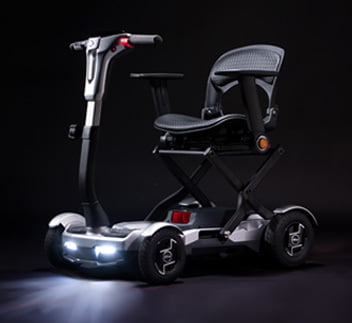
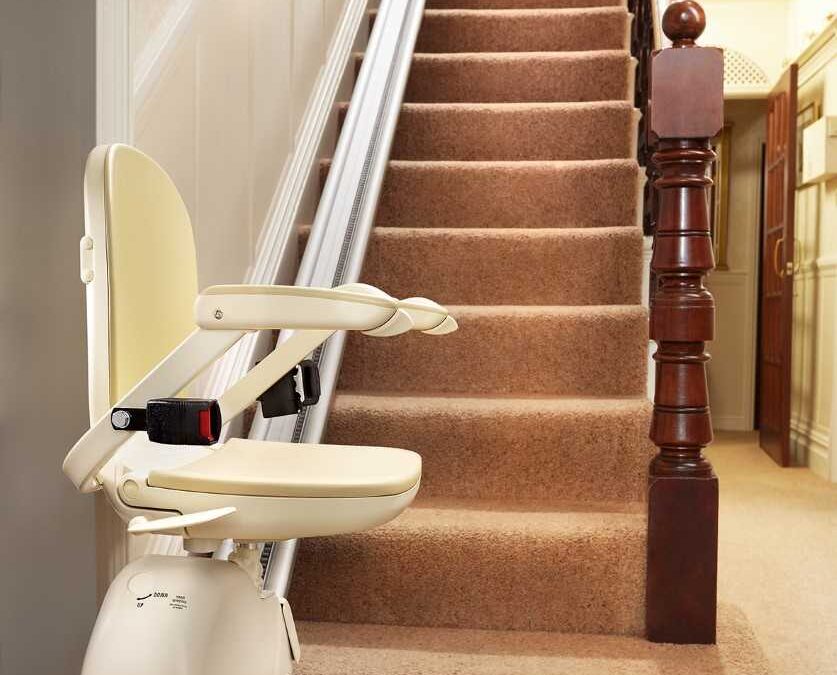
A&A Mobility can help customers explore practical mobility and home-access solutions, including mobility scooters, wheelchairs, stairlifts, bathroom equipment and everyday living aids. A home assessment can be useful when considering how the layout of a property and its outdoor areas may affect day-to-day movement.
The goal is not to create a perfect garden. It is to create a space that feels easier to use, more comfortable to spend time in and better suited to the way you live.
For advice on mobility equipment, home assessments and practical solutions for everyday independence, contact A&A Mobility today.