Choosing mobility equipment can feel overwhelming. There are many products available, from mobility scooters and powerchairs to wheelchairs, stairlifts, riser recliners, beds and daily living aids. Each product is designed to solve a different problem, and the right choice depends on the person, the property and how the equipment will be used day to day.
A home assessment can make this decision much easier. Instead of guessing whether a product will fit, work safely or suit the user’s lifestyle, an assessment looks at the real environment where the equipment will be used. This can help avoid unsuitable purchases and give customers greater confidence before making a decision.
At Additional Aids Mobility, customers can arrange an At Home Or In Shop Assessment to help choose suitable mobility equipment. This service can support decisions around mobility scooters, wheelchairs, stairlifts, powerchairs and other mobility aids.
What Is a Home Assessment?
A home assessment is a practical review of the user’s living space, mobility needs and product requirements. The aim is to understand how the person moves around the home, where they need support and which equipment may be suitable.
During an assessment, an adviser may look at door widths, hallway space, stairs, thresholds, storage areas, charging points, access routes, room layouts and transfer points. They may also discuss how the person uses the home, whether they go out regularly, whether they need help indoors or outdoors, and what they want the equipment to help them achieve.
This information helps narrow down the options and identify products that are more likely to work well in everyday life.
Why Guesswork Can Lead to the Wrong Choice
Mobility equipment needs to fit both the user and the environment. A scooter may look ideal online, but it might be too large for the hallway, difficult to store, unsuitable for transport or awkward to charge. A chair may appear comfortable, but it may not be the right size or offer enough support. A stairlift may seem straightforward, but the staircase may require a specific type of rail.
Without an assessment, these issues may only become clear after the product has been delivered. This can lead to frustration, delays and extra cost.
A home assessment helps identify potential problems early, making it easier to choose equipment that is safe, practical and suitable.
Assessing Access Around the Home
Access is one of the most important parts of choosing mobility equipment. Doorways, hallways, corners, thresholds and room layouts can all affect whether a product will work.
For example, a powerchair may need enough turning space in hallways and rooms. A mobility scooter may need suitable storage and access to the outside. A stairlift will need enough space at the top and bottom of the stairs for the user to get on and off safely.
Checking these details during a home assessment can prevent problems later and help match the equipment to the property.
Choosing a Mobility Scooter
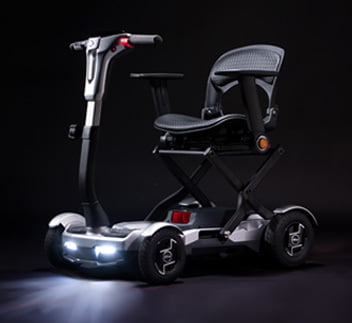
Mobility scooters are often chosen for outdoor independence, shopping trips, local journeys and social visits. However, the right scooter depends on where it will be used and how it will be stored.
A small boot scooter may suit someone who wants to transport it in a car, while a medium pavement scooter may be more suitable for regular local journeys. A larger road legal scooter may offer more range and comfort, but it will require more storage space.
Additional Aids Mobility offers a wide range of mobility scooters, including small, medium and large models. A home assessment can help confirm which size and style would be most practical.
Choosing a Powerchair
Powerchairs can be useful for users who need powered mobility indoors, better manoeuvrability or joystick control. However, the home environment needs to be suitable.
A home assessment can check whether a powerchair can move through doorways, turn in key areas and be stored or charged safely. It can also help identify whether the user needs additional seating support.
For people who need mobility support both indoors and outdoors, exploring powerchair options during an assessment can be particularly helpful.
Choosing a Stairlift
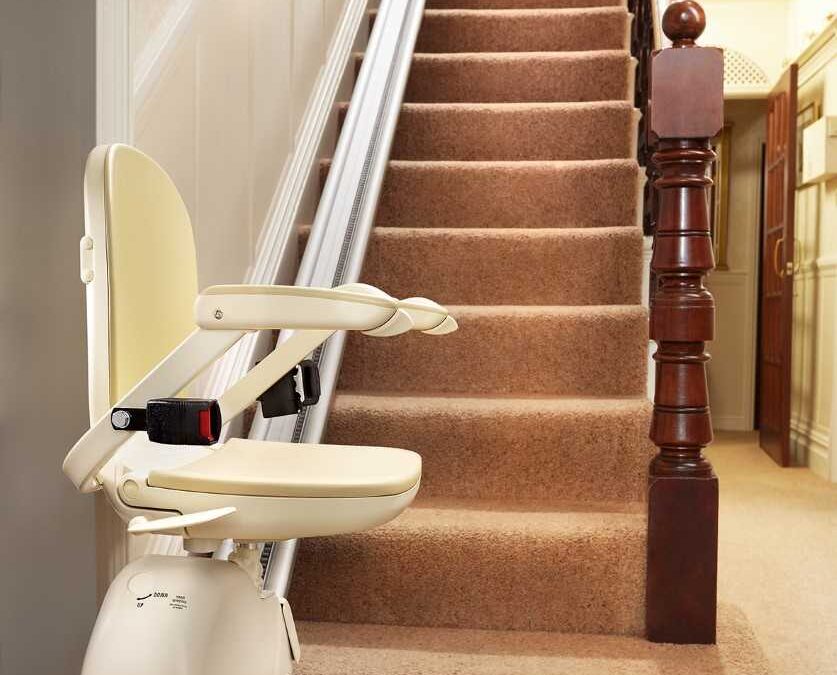
Stairlifts need to be matched carefully to the staircase and the user. A straight staircase may suit a straight stairlift, while a staircase with bends or landings may require a curved solution.
An assessment can check staircase width, landing space, user transfer needs and any obstacles that may affect installation. It can also help determine whether a stairlift is the right solution or whether another home adaptation may be needed.
Additional Aids Mobility offers stairlift options and guidance to help customers understand what may work best in their property.
Choosing Chairs and Special Seating
Seating should be chosen around comfort, posture and ease of use. A chair that is too low, too soft or the wrong size can make sitting and standing harder. For people who spend long periods seated, poor support can also affect comfort and pressure management.
A home assessment can consider where the chair will be placed, how the user transfers, whether a rise and recline function is needed, and whether specialist seating may be more suitable.
Additional Aids Mobility supplies chairs and special seating, including riser recliners, high back chairs and specialist seating options.
Understanding the User’s Daily Routine
The best mobility equipment is the equipment that fits into daily life. This means understanding the user’s routine, not just their medical or mobility needs.
An assessment may consider how the person gets out of bed, moves around the home, prepares meals, uses the bathroom, goes outside, shops, attends appointments and socialises. Each of these activities may create different equipment needs.
By looking at the full daily routine, the adviser can recommend products that support real independence rather than solving only one isolated issue.
Reducing the Risk of Unsafe Equipment Use
Mobility equipment should make life safer, not create new risks. If a product is too large, too difficult to control or unsuitable for the property, it may increase the chance of bumps, falls or frustration.
A home assessment can help reduce this risk by checking practical details before the product is chosen. This includes access, storage, turning space, charging points and the user’s ability to operate the equipment safely.
Safety is especially important for stairlifts, powered mobility products and chairs used for standing assistance.
Supporting Family Members and Carers
Mobility equipment often affects more than one person. Family members or carers may be involved in helping the user move around, transfer, charge equipment, fold wheelchairs, store scooters or manage daily routines.
A home assessment gives everyone the chance to ask questions and understand how the equipment will be used. This can reduce uncertainty and help family members feel more confident about the decision.
It can also help identify products that reduce physical strain on carers, such as rise and recline chairs, stairlifts or powered mobility options.
Planning for Future Needs
Mobility needs can change over time. While it is important to choose equipment that works now, it is also sensible to consider whether needs may change in the near future.
An assessment can help discuss whether a product has enough flexibility, whether the home layout may need further changes, or whether additional aids may be useful later.
This does not mean buying more equipment than needed, but it does mean choosing carefully and thinking ahead where appropriate.
Trying Equipment in the Showroom
In some cases, a home assessment may be combined with a showroom visit. Trying equipment in person can help users understand comfort, controls, size and movement before making a decision.
Additional Aids Mobility’s showroom in Whitton allows customers to view and test different mobility products. For larger items, such as stairlifts, the team can discuss demonstrations and home-based options where needed.
Trying products where possible can help confirm whether the recommendation feels right for the user.
Final Thoughts
A home assessment can be one of the most useful steps when choosing mobility equipment. It helps match the product to the user, the property and the way daily life actually works.
Whether you are considering a mobility scooter, powerchair, wheelchair, stairlift, riser recliner or daily living aid, an assessment can reduce guesswork and improve confidence before you buy.
To discuss suitable equipment, arrange an At Home Or In Shop Assessment with Additional Aids Mobility or visit Additional Aids Mobility for more information.