Choosing between a manual wheelchair and a powerchair is not simply a question of whether one is more advanced than the other. They solve different practical problems. The right choice depends on how the chair will be propelled, where it will be used, how it will be transported and what level of seating support and independence the user needs.
AA Mobility supplies both wheelchairs and powerchairs, giving customers the opportunity to compare different types of mobility equipment rather than choosing a product category in isolation.
Manual Wheelchair vs Powerchair: Quick Comparison
| Consideration | Manual Wheelchair | Powerchair |
|---|---|---|
| Movement | Propelled by the user or pushed by an attendant | Powered movement, usually controlled electronically |
| Transport | Many models are designed with transport and folding in mind | Weight and transport requirements vary significantly by model |
| User effort | Can require upper-body effort when self-propelled | Powered drive reduces the need for manual propulsion |
| Indoor manoeuvring | Depends on chair width, configuration and user ability | Can offer precise powered control, depending on the model |
| Seating options | Varies from basic transit chairs to more supportive configurations | Can offer more advanced powered and supportive seating options |
An at-home or in-shop assessment can help identify which approach better suits the user and the environment in which the chair will be used.
What Is a Manual Wheelchair?
A manual wheelchair moves without an electric drive system. Some chairs are designed to be self-propelled using the rear wheels, while others are primarily designed for an attendant to push. This distinction matters because the user’s strength, dexterity and intended level of independence should match the chair configuration.
Manual wheelchairs can be useful for short journeys, appointments, travel, occasional use and situations where a relatively straightforward mobility solution is required. Folding and transport characteristics vary, so check the actual model rather than assuming every manual wheelchair will fit easily into a car.
AA Mobility’s wheelchair range provides a useful starting point for comparing current options.
What Is a Powerchair?
A powerchair is an electrically powered wheelchair. Instead of relying on manual propulsion, the user operates the chair through a control system, commonly a joystick. This can make powered mobility appropriate for people who cannot comfortably self-propel a manual chair or who need powered movement as part of their regular routine.
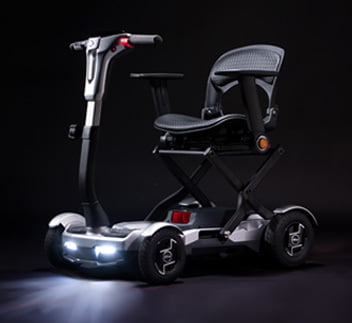
Powerchairs vary considerably. Some are compact and designed with manoeuvrability or transport in mind, while others focus more heavily on seating, stability, outdoor performance or additional support. AA Mobility’s powerchair range includes current powered options, and the site also features the ROBOOTER X40.
How Much Physical Effort Is Required?
One of the biggest differences is propulsion. A self-propelled manual wheelchair requires repeated upper-body movement, while an attendant-propelled chair depends on another person being available to push. For some users this arrangement is completely suitable; for others it can restrict independent movement.
A powerchair uses battery-powered drive, reducing the physical effort needed to move the chair. However, the user still needs to be able to operate the controls safely and confidently. Control position, sensitivity, visibility and the ability to manoeuvre in the intended environment all need to be considered.
Which Is Better Indoors?
There is no automatic winner. The important measurements are the chair’s overall width and turning characteristics compared with the home. Door widths, corridors, furniture, thresholds and the available turning space can determine whether a particular chair works well indoors.
A compact manual wheelchair may be straightforward in some homes, while a suitably selected powerchair may give another user more independent control. This is exactly why a home assessment can be valuable: it considers the person and the property together.
Transport, Storage and Charging
If the chair regularly travels in a vehicle, transport should be part of the buying decision from the beginning. Check folded dimensions where relevant, component weights and the lifting or loading process. A powerchair may need a suitable vehicle arrangement or lifting solution depending on its weight and design.
Powerchairs also need a practical charging location. The manufacturer’s instructions should be followed for charging and storage, and the chair should have a secure place where it does not obstruct everyday access.
Comfort and Postural Support
How long the user spends in the chair matters. Someone who uses a wheelchair only for occasional trips may have very different seating requirements from somebody who remains seated for substantial parts of the day.
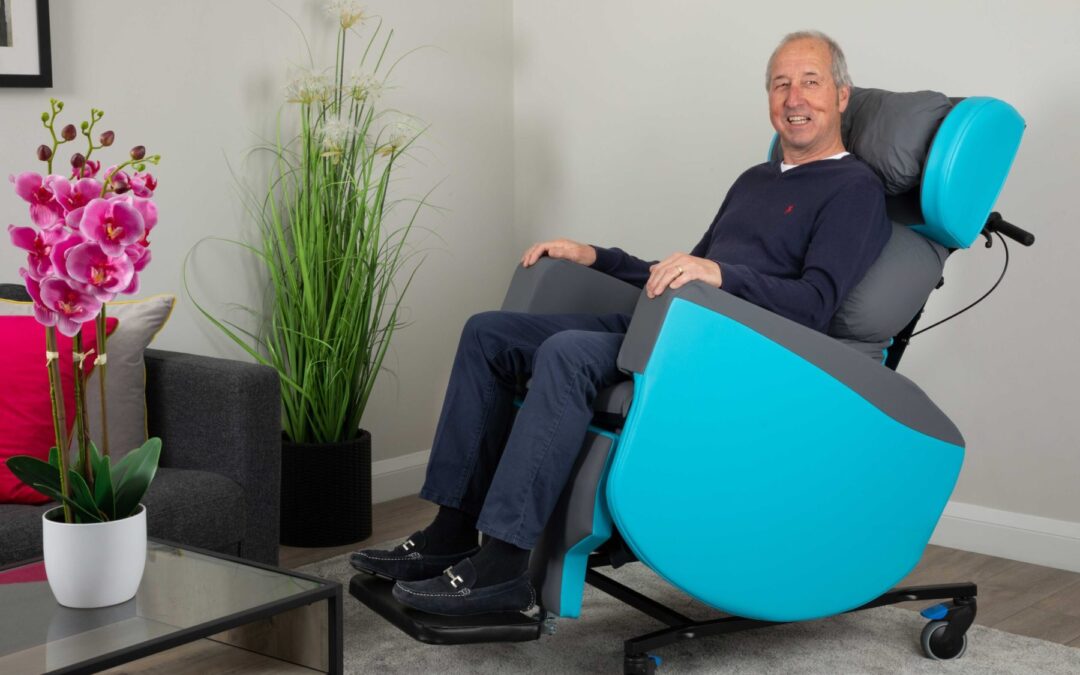
Seat dimensions, back support, arm position, foot support and pressure management should all be considered where relevant. If seating and posture are significant concerns, AA Mobility also provides specialist seating alongside its wheelchair and powerchair ranges.
For another comparison involving powered mobility, read Powerchairs vs Mobility Scooters: Which Option Could Suit Your Lifestyle?
Questions to Ask Before Choosing
- Will the user self-propel, rely on an attendant or need powered movement?
- Will the chair mainly be used indoors, outdoors or both?
- How wide are the home’s doors and circulation spaces?
- Does the chair need to be transported in a vehicle?
- How long will the user normally remain seated?
- Are additional postural or pressure-management features required?
- Where will a powerchair be stored and charged?
- Can the user comfortably and safely operate the chosen controls?
Frequently Asked Questions
Is a powerchair better than a manual wheelchair?
Not universally. A powerchair may offer greater independent powered mobility for some users, while a manual wheelchair may be simpler and more practical for others. The best choice depends on the person, environment and intended use.
Can manual wheelchairs be used by an attendant?
Yes, many manual wheelchairs can be pushed by an attendant, but configurations vary. Choose a chair intended for the way it will actually be used.
Can I try a wheelchair before buying?
AA Mobility states that customers can test-drive wheelchairs and other mobility equipment in its showroom. Trying equipment is useful for assessing comfort, controls and practical fit.
Do I need a home assessment?
It is particularly useful when access, turning space, storage or seating needs could affect the decision. AA Mobility offers an at-home or in-shop assessment.
Choosing Your Next Step
Start by deciding what problem the chair needs to solve. If a straightforward, non-powered chair suits the user’s mobility and transport needs, explore AA Mobility’s manual wheelchair options. If powered movement could provide more suitable day-to-day independence, compare the powerchair range.
Where the choice is not obvious, arrange an assessment so that access, comfort, controls, transport and everyday use can all be considered before a purchase is made.