Choosing a stairlift is an important decision. It can make movement between floors easier, reduce the strain of using stairs and help someone remain more comfortable in the home they know.
However, a stairlift is not a one-size-fits-all product. The right option depends on the person using it, the shape of the staircase, the available space, the layout of the landing and the way the home is used every day. This is why a home assessment is such a valuable part of the process.
A stairlift home assessment allows a trained adviser to look at both the user’s needs and the property itself. It helps identify practical details that may not be obvious at first, such as where the stairlift could park, how much space is available at the top and bottom of the stairs, and whether the staircase is straight, curved or affected by doors and landings.
Preparing for the assessment can help you get more from the visit and make the conversation clearer.
Think About the Main Difficulty With the Stairs
Before the assessment, take a little time to think about what feels difficult at the moment.
For some people, the issue may be tiredness when climbing stairs. For others, it may be pain, breathlessness, reduced balance, fear of falling or difficulty carrying items between floors.
The adviser will need to understand how the stairs are currently used and what would make daily life easier. Be honest about the challenges, even if they seem small. A detail such as feeling nervous on the final few steps or needing to pause halfway up can help guide the recommendation.
It is also useful to think about when the stairs are most difficult. They may feel manageable in the morning but harder later in the day. They may be more difficult when carrying laundry, medication, drinks or personal items.
The more clearly the problem is explained, the easier it is to identify a suitable solution.
Clear the Staircase Before the Visit
The staircase should be easy to inspect during the assessment.
Remove loose items such as shoes, bags, laundry baskets, books or decorative objects from the stairs and nearby landings. This allows measurements to be taken accurately and helps the adviser see the full layout.
If there are stair gates, rugs, temporary storage or furniture close to the top or bottom of the stairs, make sure these are visible and discussed. They may affect how the stairlift would be positioned or how the space is used once installed.
The aim is not to make the home look perfect. It is simply to make sure the staircase can be assessed safely and properly.
Consider the Space at the Top and Bottom
A stairlift needs enough space not only on the stairs, but also at the points where the user gets on and off.
The adviser will look at the landing, hallway and surrounding areas to understand how the stairlift could work in practice. Doors, radiators, cupboards, furniture, narrow hallways and changes in floor level may all influence the final recommendation.
Think about how the person currently approaches the stairs. Do they use a walking stick, frame or wheelchair nearby? Do they need support from a wall or handrail? Is there enough room to turn safely at the top or bottom?
These details matter because the stairlift should make movement easier, not create a new obstacle elsewhere in the home.
Discuss Whether the Staircase Is Straight or Curved
The shape of the staircase has a major effect on the type of stairlift required.
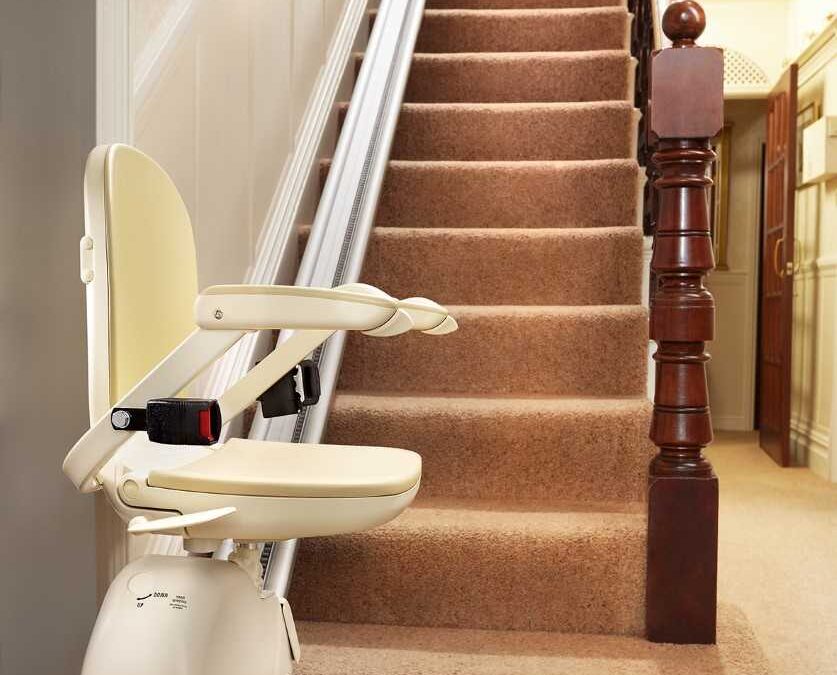
A straight staircase may be suitable for a straight stairlift. A staircase with turns, intermediate landings, curves or changes in direction may require a curved stairlift designed around the exact layout.
During the assessment, measurements will help determine what is possible. The adviser may also look at the width of the stairs, the angle, the position of handrails and the way the stairs connect to surrounding rooms.
Do not worry if you are unsure which category your staircase falls into. The assessment is there to clarify these details and explain the available options.
Think About Daily Routines Upstairs and Downstairs
A stairlift should support real daily routines.
Before the visit, think about what the user needs to access on each floor. This might include a bedroom, bathroom, kitchen, living room, medication storage, laundry area or front door.
If the person regularly moves between floors several times a day, the stairlift may need to be especially convenient and easy to use. If upstairs access is mainly needed at certain times, the priorities may be slightly different.
It is also worth considering whether other people in the home use the stairs frequently. A stairlift should be positioned so that the staircase remains practical for the household where possible.
These everyday details can help the adviser recommend a solution that fits the home as well as the user.
Review Lighting Around the Stairs
Good lighting is important for stair safety.
Before the assessment, check whether the staircase, landings and hallway are well lit. Poor lighting can make steps, controls and changes in level harder to see.
If bulbs are not working or switches are awkward to reach, mention this during the visit. While lighting may not be part of the stairlift itself, it can affect how confidently the user moves around the area.
Some homes may benefit from brighter landing lights, motion-sensor lighting or better-positioned switches. These changes can support safer movement alongside the stairlift.
Identify Nearby Power Points
A stairlift will need a suitable power arrangement.
The assessor can advise on what is required, but it is useful to know where nearby sockets are located before the visit. Look at the area around the stairs, hallway and landing, and make a note of any accessible power points.
Do not move electrical fittings yourself or assume that an existing socket will be suitable. The assessment will help identify what is needed and whether further electrical work may be required.
Planning this early can reduce delays later, particularly where the installation needs to be coordinated with other home improvements.
Talk About Comfort and Control Preferences
A stairlift needs to feel comfortable and manageable for the person using it.
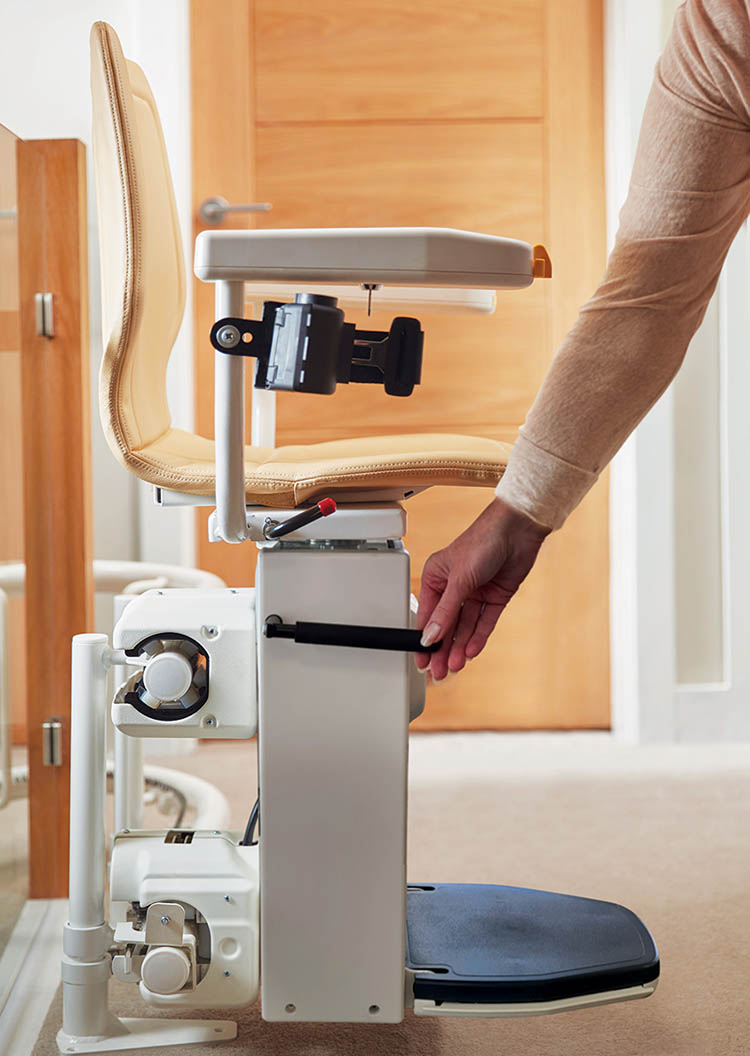
During the assessment, discuss any concerns about sitting, turning, fastening a seatbelt, using controls or getting on and off the chair. Hand strength, coordination, vision and confidence can all affect which features are most suitable.
It is important that the user is included in the conversation wherever possible. Their comfort and confidence should guide the final decision.
Ask questions about controls, seat position, folding features, safety sensors, parking points and how the stairlift will be used during power interruptions or everyday household activity.
Understanding these features can make the decision feel less overwhelming.
Consider Future Needs as Well as Current Needs
A stairlift may be installed to solve an immediate problem, but it should also be considered in the context of future needs.
Mobility can change over time. Someone who currently walks unaided may later use a stick or frame. A person who needs occasional support now may need more regular assistance in the future.
This does not mean choosing the most complex option unnecessarily. It simply means discussing likely future requirements during the assessment.
A good recommendation should consider the person’s current situation while avoiding a solution that may become unsuitable too quickly.
Keep External Access in Mind
Although a stairlift is used indoors, the wider home environment still matters.
The person using the stairlift may also need to enter and leave the home safely for appointments, shopping, visitors or social activities. If the front path, driveway or entrance is difficult to use, the benefit of improved indoor mobility may be reduced.
It is worth reviewing whether outdoor access routes are clear, well lit and protected from avoidable water pooling. Gutters and downpipes can affect entrances and paths if rainwater is not directed properly. Homeowners reviewing roofline or rainwater improvements can explore aluminium gutters, downpipes, fascias and related products from Alugutter.
A complete approach to mobility considers both movement inside the home and practical access outside.
Prepare Questions in Advance
A home assessment is a good opportunity to ask questions.
You may want to ask about installation timescales, maintenance, servicing, warranties, daily use, safety features, demonstrations or what happens if the user’s needs change.
Writing questions down before the visit can help ensure nothing is forgotten. This is especially useful if several family members are involved in the decision or if the person using the stairlift has specific concerns they want addressed.
Questions might include:
- How much space will the stairlift take up?
- Can other people still use the stairs comfortably?
- How does the chair park when not in use?
- What happens during a power cut?
- How is the stairlift maintained?
- What safety features are included?
- How long does installation usually take?
Clear answers can help everyone feel more confident before making a decision.
A Good Assessment Reduces Guesswork
A stairlift should be chosen carefully because it needs to suit both the person and the property.
Preparing for a home assessment helps make the process clearer. By thinking about daily routines, clearing the staircase, discussing comfort needs and considering the wider home layout, you can make sure the adviser has the information needed to recommend a suitable option.
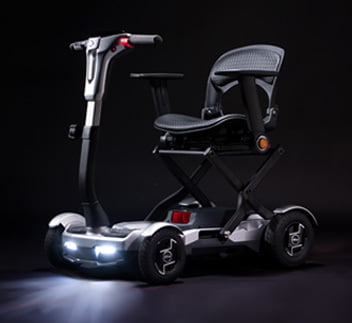
A&A Mobility provides home assessments and mobility solutions including stairlifts, mobility scooters, wheelchairs, powerchairs, walking aids and daily living equipment.
For advice on stairlifts or arranging a home assessment, contact A&A Mobility today.