Recovering at home after illness, injury or surgery can feel far more manageable when the living space is prepared in advance.
Even short-term changes in mobility can affect everyday routines. Stairs may feel tiring, getting in and out of chairs may become harder, bathrooms may feel less secure and outdoor access can become more difficult during wet weather. Tasks that were once automatic may need more thought, patience and support.
Preparing the home does not always require major changes. In many cases, small practical adjustments can make a meaningful difference. Moving furniture, clearing walkways, placing everyday items within reach, improving bathroom safety and considering suitable mobility aids can all help create a calmer recovery environment.
The aim is to reduce unnecessary strain, support confidence and make daily movement around the home as straightforward as possible.
Start With the Rooms Used Most Often
Before making changes, think about which rooms will be needed every day during recovery.
For many people, this will include the bedroom, bathroom, kitchen, living room and entrance area. If movement is limited, it may be useful to create a temporary setup that reduces the number of times stairs need to be used.
Consider where the person will rest during the day, where they will sleep, how they will access the bathroom and whether food, drinks, medication and personal items can be reached easily.
A recovery space should feel comfortable, but it should also be practical. A chair with suitable support, a nearby table, good lighting and enough space to move safely can all help make the room easier to use.
If the person is using a walking frame, crutches, wheelchair or other mobility aid, check that there is enough space to move around without bumping into furniture.
Clear Walkways Before Recovery Begins
Cluttered walkways can become a real problem when someone is recovering.
Loose rugs, trailing cables, shoes, bags, small tables and low furniture can all create obstacles. These may not be noticeable during normal daily life, but they can become more difficult when balance, strength or confidence is reduced.
Walk through the home and check the main routes. These may include the path from the bedroom to the bathroom, the route from the living room to the kitchen and the way from the front door to the main seating area.
Keep these routes as open and predictable as possible. Move unnecessary furniture, secure cables and remove items from the floor. If rugs are likely to slip or catch underfoot, consider removing them temporarily.
The goal is to make movement feel simple, especially during moments when the person may feel tired, uncomfortable or less steady.
Think Carefully About Bathroom Safety
The bathroom is one of the most important areas to review before recovery.
Wet surfaces, low toilet seats, bath edges and shower trays can all be challenging when mobility is reduced. A person recovering from surgery or illness may also tire more quickly, making support and stability especially important.
Useful changes may include grab rails, a shower seat, a raised toilet seat, non-slip mats or a bath board. The right options will depend on the person’s needs, the bathroom layout and the type of recovery involved.
Make sure toiletries, towels and medication are easy to reach without stretching or bending unnecessarily. If the person needs assistance, there should also be enough space for a family member or carer to help safely.
A&A Mobility provides bathroom mobility products and home assessment support, helping customers consider practical solutions that suit their space and daily routine.
Review the Stairs Early
Stairs can become one of the biggest challenges during recovery.
For some people, stairs may still be manageable with care. For others, they may need to be avoided temporarily or supported with additional equipment. The right approach depends on the person’s condition, medical advice and home layout.
If stairs are used, make sure they are clear, well lit and free from loose items. Handrails should feel secure and easy to grip. Step edges should be visible, particularly in low light.
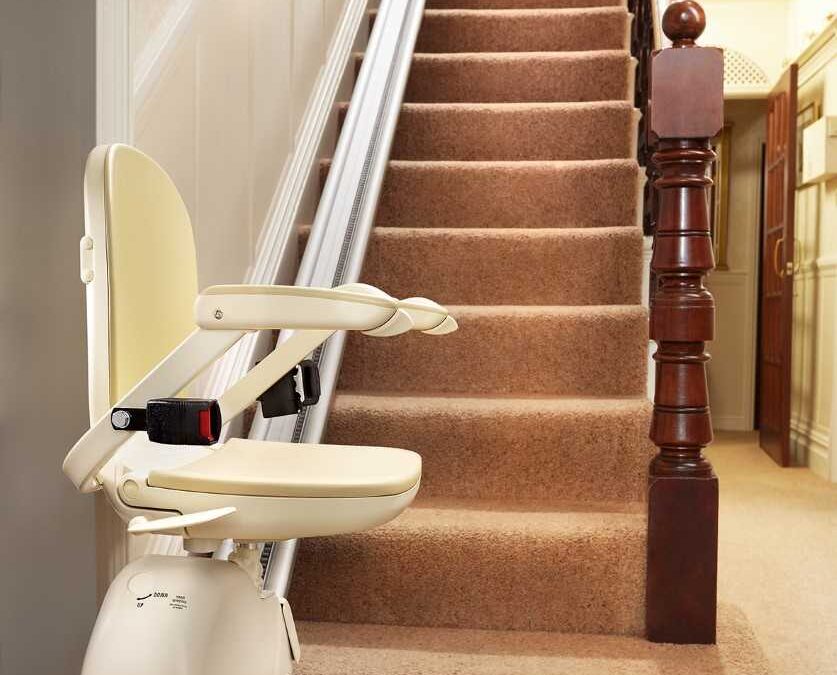
If stairs are likely to be difficult for a longer period, it may be worth discussing stairlift options or other mobility support. A home assessment can help identify whether a stairlift may be suitable and what practical details need to be considered.
Even if a stairlift is not required, planning how upstairs and downstairs spaces will be used during recovery can reduce stress once the person returns home.
Place Everyday Items Within Easy Reach
During recovery, bending, stretching and carrying items may be uncomfortable or unsafe.
Before recovery begins, place essential items where they can be reached easily. This may include medication, water, tissues, phone chargers, glasses, remote controls, books, snacks and important documents.
In the kitchen, move frequently used items to accessible cupboards or worktop areas. Heavy pans, mugs, plates and food items should not require stretching to high shelves or bending into low cupboards.
In the bedroom, keep clothing and personal items within easy reach. If getting dressed is likely to be difficult, consider keeping comfortable clothing in a simple basket or drawer near the bed.
Small adjustments like these can make daily routines smoother and reduce the need for unnecessary movement.
Choose Seating That Supports Recovery
A comfortable chair can make a significant difference.
Very low, soft or deep seating may be difficult to get out of during recovery. A chair with a firmer seat, supportive arms and a suitable height can make sitting and standing easier.
Position the chair in a practical place. It should allow access to a table, lamp, phone, drink and any essential items. There should also be enough space around it for walking aids or assistance if needed.
If the person will spend long periods sitting, comfort and posture matter. Cushions, footrests and good lighting can all help make the recovery space more pleasant.
The chosen seating area should also feel connected to normal household life. Recovery can be tiring, but being able to sit comfortably in a familiar room can support wellbeing and independence.
Prepare the Entrance for Appointments and Visitors
Recovery often involves follow-up appointments, visitors, deliveries or healthcare professionals coming to the home.
The entrance should be clear, safe and easy to use. Move clutter from the hallway, check that the front path is clear and make sure outdoor lighting works properly.
If the person will be leaving the home for appointments, consider how they will get from the door to the car, taxi or pavement. Steps, uneven paths, loose paving and wet surfaces can all make this more difficult.
Weather can also affect access. Overflowing gutters or poorly positioned downpipes may create puddles near doors, paths or driveways. Homeowners reviewing rainwater management can explore aluminium guttering, downpipes and roofline products from Alugutter, helping to direct water away from key access areas.
A safer, clearer entrance can make appointments feel less stressful and help visitors provide support more easily.
Consider Temporary Mobility Aids
Not every mobility need is permanent.
Some people may only need support for a few weeks or months while they regain strength and confidence. Others may discover that longer-term equipment would make daily life easier.
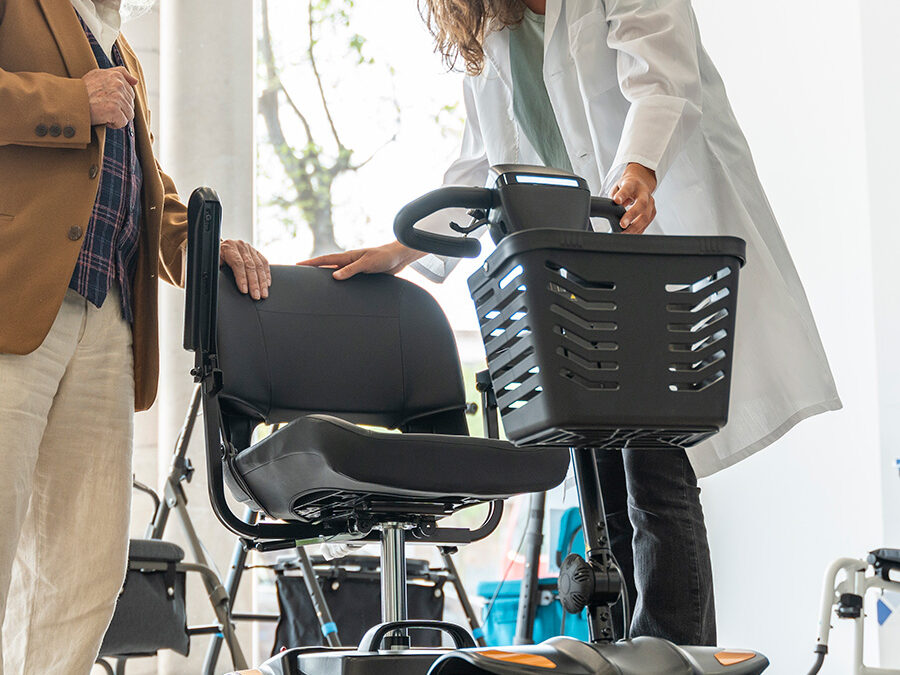
Depending on the situation, useful mobility aids may include walking sticks, walking frames, wheelchairs, rollators, bathroom rails, raised toilet seats or stairlifts.
The right product should match both the person and the property. A walking aid that works well in one home may be awkward in another if hallways are narrow or thresholds are raised.
This is where professional advice can be helpful. A&A Mobility offers home assessments to help customers understand which products may suit their needs, space and lifestyle.
Keep Communication Simple
During recovery, it is useful to have a clear way to ask for help.
A phone should be kept within reach, especially when the person is resting alone. If they may need support during the night, consider whether a bell, intercom, mobile phone or other simple system would help.
Family members and carers should know where essential items are kept, what medication routines are required and which activities may need support.
A written list can be useful. It might include medication times, appointment details, emergency contacts, mobility instructions and any tasks that should be avoided.
Clear communication reduces uncertainty and helps everyone involved feel more prepared.
Plan for Wet Weather and Outdoor Movement
Rain, wind and slippery surfaces can make recovery more difficult, particularly when attending appointments or moving between the house and car.
Before recovery begins, check the outdoor route. Sweep away leaves, move bins or plant pots, and look for areas where water collects. If steps are used, make sure they are visible and stable.
A dry mat near the entrance can help reduce water being carried inside. Wet shoes, umbrellas and coats should have a clear place to go so they do not create clutter in the hallway.
If mobility equipment is used outdoors, think about where it will be stored and whether it can be dried after use. A walking frame, wheelchair or mobility scooter should not block the main route through the home when brought inside.
Planning for poor weather can make daily movement feel safer and more predictable.
Review the Setup as Recovery Progresses
Recovery needs can change over time.
A person may need more support at first, then gradually become more independent. Alternatively, they may discover that certain tasks remain difficult longer than expected.
It is useful to review the home setup regularly. Items that were placed close to hand may need moving as routines change. Temporary equipment may need adjusting. Additional support may be required in the bathroom, bedroom or entrance area.
Do not assume that the first arrangement has to remain in place throughout recovery. Small changes can be made as confidence and mobility improve.
The most important thing is that the home continues to support safe, comfortable movement.
A Prepared Home Can Make Recovery Easier
Recovering at home can feel more manageable when the environment is ready.
Clear walkways, safe bathroom arrangements, suitable seating, accessible everyday items and practical mobility aids can all reduce unnecessary strain. Preparing entrances and outdoor routes also helps with appointments, visitors and wet-weather movement.
A&A Mobility provides mobility scooters, wheelchairs, stairlifts, powerchairs, walking aids, bathroom rails and home assessment support to help customers find practical solutions for everyday independence.
For advice on mobility products or arranging a home assessment, contact A&A Mobility today.