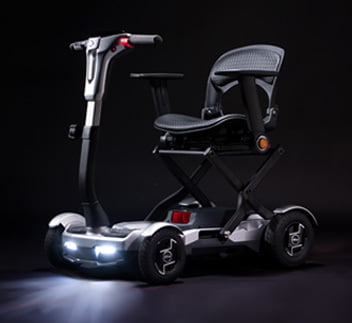
A mobility scooter can make everyday journeys feel more manageable, whether that means visiting local shops, travelling around a neighbourhood or simply getting from the front door to a parked car with greater ease.
However, choosing a scooter is only one part of the process. It is also important to think about how it will fit into daily life at home. The route from the property to the pavement, the width of gates, the condition of paths, storage arrangements and protection from poor weather can all affect how practical and convenient a scooter is to use.
Planning these details in advance can help create a smoother experience from the beginning. It can also reduce the chance of unexpected issues after a scooter has been delivered, such as discovering that a pathway is too narrow, a step is difficult to manage or there is nowhere suitable to keep the scooter secure and dry.
This guide looks at the key areas to consider when preparing a home for a mobility scooter.
Start With the Route From Your Door to the Road
The first thing to review is the route between your home and the area where the scooter will be used.
Walk the route slowly and look for anything that could make access more difficult. This may include narrow paths, sharp turns, uneven paving, loose gravel, raised thresholds, gates that do not open wide enough or steps near the entrance.
A clear, level route can make a significant difference to everyday use. The aim is to make it straightforward to leave the property and return without needing to navigate unnecessary obstacles.
Consider whether there is enough room to turn the scooter comfortably. This is particularly important around entrances, side passages, gates and driveways. A route that appears wide enough when walking may feel more restricted when using a scooter.
It is also worth checking whether there are any slopes. A gentle incline may be manageable, while a steeper section could need further consideration. The suitability of a route depends on the layout of the property and the type of scooter being used.
Check Paths, Driveways and Surface Conditions
The surface under a mobility scooter matters. Cracked paving, loose slabs, deep gravel, uneven blocks and slippery moss can all make a route feel less comfortable or predictable.
Paths and driveways should be maintained regularly, especially where they are used every day. Small repairs can often make a noticeable difference. Replacing loose paving, clearing moss and filling damaged areas may help create a more stable route.
Outdoor surfaces can also become slippery when wet. Algae, leaves and dirt build up over time, particularly in shaded areas or places where water does not drain well. Regular cleaning can help keep pathways clearer and make it easier to spot developing issues.
If a driveway or path has persistent standing water after rain, it is worth investigating why. Water pooling near the entrance can make access more difficult and may affect the condition of the surface over time.
Think About Gates and Entrance Widths
Gates are often overlooked until a mobility scooter is already in use. A gate that feels perfectly adequate on foot may not provide enough clearance for a scooter to pass comfortably.
Check the width of any front gates, side gates or garden access points. Make sure there is enough space to move through without catching handlebars, mirrors or scooter bodywork.
The way a gate opens can also matter. A heavy gate, awkward latch or gate that swings across the path may make access less convenient. Some homeowners find that small changes, such as improving the latch or adjusting the opening direction, make a route easier to use.
Where possible, the entrance should feel simple and predictable. The fewer tight turns, awkward thresholds and obstructions there are, the more convenient it is to use the scooter regularly.
Create a Suitable Storage Area
Mobility scooters need a secure and practical place to be stored when not in use. The best location will depend on the property, available space and the size of the scooter.
Some people may have room in a garage, shed, hallway, porch or covered outdoor area. Others may need to consider a purpose-built storage solution.
When choosing a storage area, think about access first. It should be easy to move the scooter in and out without needing to negotiate steps, narrow gaps or difficult turns.
The area should also be dry and protected from prolonged exposure to rain. Keeping a scooter sheltered can help preserve its appearance and support routine care over time.
A covered storage space near the front or side of the property may be particularly useful where a garage is not available. Any outdoor structure should be planned carefully so that it does not block access routes, create drainage problems or make the entrance feel cramped.
Make Sure Rainwater Is Directed Away
Rainwater management can have a direct impact on how practical an access route feels.
If gutters overflow or downpipes release water onto a pathway, the result can be wet surfaces, puddles and splashback near the entrance. This can be inconvenient for anyone using a mobility scooter and may also contribute to moss or algae growth over time.
A quick check during or after rainfall can help identify whether water is flowing where it should. Look for water collecting near doorways, paths, ramps, storage areas or driveway entrances.
Homeowners considering improvements to their roofline or rainwater system can explore aluminium guttering and downpipe options from Alugutter. A well-maintained system can help direct water away from key access areas and support a cleaner, safer approach to the property.
It is also worth checking nearby drains and gullies. Leaves, mud and debris can reduce water flow, especially during autumn and winter.
Plan a Convenient Charging Space
Charging arrangements should be considered before a mobility scooter arrives.
The charging area should be dry, accessible and close enough to a suitable power source. A storage location that is difficult to reach or requires moving the scooter through an awkward route may become frustrating over time.
It is often helpful to think about the routine of charging the scooter. Will it be brought inside each evening? Will it remain in a garage or covered storage space? Is there enough room to connect the charger without creating clutter or a trip hazard?
The practical details matter. A simple and organised setup can make the scooter easier to use as part of everyday life.
Always follow the manufacturer’s guidance for charging and storage, and ensure any electrical arrangements are suitable for the location.
Consider Lighting for Early Mornings and Evenings
Good outdoor lighting can make a big difference when preparing a home for mobility scooter use.
The route from the storage area to the front gate, driveway or pavement should be easy to see during darker months. Lighting can help make changes in level, wet patches, steps and obstacles more visible.
Wall lights, motion-sensor lights or low-level path lighting may all be useful depending on the layout of the property. The goal is not to create an overly bright space, but to make the route easier to navigate safely.
Check that lights are positioned in useful places. The doorway, path, gate and scooter storage area should all be visible. It is also important to keep lights free from overgrown plants, dirt or other obstructions.
Keep the Route Free From Clutter
Even a well-designed route can become difficult to use when clutter builds up.
Bins, bicycles, garden tools, plant pots and parcels can reduce the available space on a path or driveway. This may make turning or passing through gates more difficult.
A regular check of the outside area can help prevent this. Keep the main route clear and make sure any items stored outdoors are positioned away from access points.
Overhanging plants should also be trimmed back where necessary. Branches, hedges and trailing plants can narrow a path without being immediately obvious when viewed from inside the home.
A clear route gives greater confidence and makes the scooter easier to use whenever it is needed.
Choose the Right Scooter for Your Home Setup
The layout of your home may influence the type of mobility scooter that is most suitable.
A compact scooter may be easier to store and manoeuvre around tighter spaces, while a larger model may be more appropriate for longer journeys or uneven outdoor routes. The right choice depends on how and where the scooter will be used.
Before making a decision, it can be useful to think about:
- The width of paths and gates
- Available storage space
- The type of journeys planned
- Whether the route includes slopes or uneven surfaces
- How the scooter will be transported or charged
- The need for weather protection or covered storage
A home assessment can help identify practical considerations that may not be obvious at first. This can make it easier to choose equipment that fits both the individual and the property.
Make Everyday Access Feel Simpler
Preparing your home for a mobility scooter is about making everyday journeys feel more convenient.
By checking access routes, maintaining paths, improving drainage, arranging suitable storage and keeping entrances clear, you can create a setup that supports regular use throughout the year.
Small changes can often have a meaningful impact. A clearer path, better lighting, a dry storage area or improved guttering may make the difference between an awkward route and one that feels simple to manage.
For advice on mobility scooters, home assessments and practical mobility solutions, contact A&A Mobility today.