The entrance to a home plays an important part in everyday life. It is the first area used when leaving for an appointment, returning with shopping, welcoming visitors or receiving deliveries. When the path is uneven, rainwater gathers near the door or the entrance is poorly lit, this simple journey can become less comfortable and more difficult than it needs to be.
For people who use mobility equipment, have reduced confidence on their feet or are planning for a more practical home in the years ahead, the condition of the outside approach matters just as much as the layout indoors. A suitable entrance is not only about adding a ramp or changing a threshold. It involves looking at the whole route from the pavement, driveway or garden gate through to the front door.
Small improvements can often make a meaningful difference. Better drainage, a clear path, secure handrails, suitable lighting and effective weather protection all help create an entrance that is easier to use throughout the year.
Start With the Full Journey to the Front Door
When planning any accessibility improvements, it is useful to look at the complete route rather than focusing on one feature in isolation.
Consider where a person arrives at the property. This may be from a driveway, parking space, garden path, pavement or entrance gate. From there, think about every stage of the route to the front door.
Questions worth asking include:
- Is the path wide enough for comfortable movement?
- Are there loose slabs, cracked paving or raised edges?
- Does water collect in certain areas after rain?
- Is there enough lighting in the evening?
- Are steps clearly visible and in good condition?
- Is there a threshold that could cause difficulty?
- Is there enough shelter near the entrance?
- Can the door be opened comfortably when carrying items or using mobility equipment?
Looking at the route as a whole helps identify where small changes could make access feel more straightforward and secure.
Keep Paths Clear, Level and Well Maintained
Paths and driveways are often exposed to rain, falling leaves, moss and everyday wear. Over time, paving may become uneven, slippery or difficult to navigate.
A path does not need to look perfect to be practical, but it should be kept in a condition that supports safe and comfortable use. Loose paving, damaged edges and surface cracks should be addressed before they become more significant.
Moss and algae can also create problems, especially in shaded areas. These surfaces may become slippery during wet weather, making regular cleaning and maintenance worthwhile.
Where possible, paths should provide a clear route without unnecessary obstacles. Plant pots, bins, garden furniture and overgrown shrubs can make a narrow path feel even more restricted. Keeping the route tidy and open makes it easier for everyone to use.
For homeowners considering larger improvements, it may be helpful to think about the surface material, the slope of the route and whether there is enough room for a wheelchair, walking aid or mobility scooter to pass comfortably.
Drainage Is an Important Part of Entrance Safety
Rainwater can have a major effect on how practical an entrance feels. Water that repeatedly gathers on a path, driveway or doorstep can create slippery surfaces and make access less pleasant during wet weather.
Good drainage helps move water away from key walking areas. This may involve checking existing drains, clearing leaves and debris, repairing damaged paving or reviewing where roof water is being directed.
Gutters and downpipes should not be overlooked. When gutters overflow or downpipes discharge too close to the entrance, water can run across paths or collect near the building.
Homeowners reviewing their roofline, rainwater management or exterior drainage can explore aluminium guttering and downpipe options from Alugutter. A well-planned rainwater system can help direct water away from entrances, paths and external walls while supporting the overall appearance of the property.
The aim is not to make the entrance completely weatherproof. Instead, it is to reduce avoidable pooling, splashing and surface water that can make access more difficult.
Make Steps Easier to See and Use
Steps can become more challenging when they are poorly lit, uneven or exposed to wet conditions. Even one small step at the front door can affect how easily someone enters and leaves the home.
Where steps are necessary, they should be kept in good condition. Cracked edges, loose materials and worn surfaces should be repaired promptly. Clear visual contrast can also help make the edge of each step easier to identify.
Handrails may be useful where there are several steps or where a person would benefit from additional support. They should be securely fitted, positioned at a comfortable height and maintained regularly.
For some homes, a ramp may be more suitable than steps. The right option will depend on the layout of the property, available space and the individual needs of the person using the entrance. A professional assessment can help identify what is practical and appropriate.
Consider the Front Door and Threshold
The front door itself can sometimes create an unexpected barrier. A raised threshold, narrow doorway, stiff lock or heavy door can affect how easily someone enters and leaves.
When reviewing the entrance, look at how the door opens and whether there is enough room to manoeuvre. A door that opens into a narrow hallway or onto a steep step may need a different approach from one with a wide, level entrance.
Threshold adjustments may be worth considering where there is a noticeable lip or raised section that makes it difficult to move a wheelchair, walking frame or mobility equipment through the doorway.
The goal should be to create a smoother transition between outside and inside without compromising security or weather protection.
Improve Lighting Around the Entrance
Good lighting can make a substantial difference to how safe and welcoming an entrance feels.
Pathways, steps, doorways and driveways should be easy to see in the early morning, evening and during darker winter months. Poor visibility can make obstacles, changes in level and wet surfaces harder to notice.
Lighting does not have to be overly bright or intrusive. Well-positioned wall lights, low-level path lights or motion-sensor lighting can improve visibility while keeping the area practical.
When choosing outdoor lighting, think about where shadows may fall. A light positioned behind someone approaching the door may not illuminate the path effectively. The entrance, lock, door handle and any steps should all be visible.
Regularly check that bulbs are working and that lights are not obscured by plants, dirt or cobwebs.
Add Shelter Where It Is Needed
A small canopy, porch or covered area can make an entrance more comfortable in wet weather. It can provide somewhere to pause while unlocking the door, help protect visitors from rain and reduce the amount of water brought directly into the home.
Shelter can be particularly useful for households where someone may need additional time to move through the entrance, use a key, position mobility equipment or receive support from another person.
The design should suit the style and scale of the property. A simple covered section may be enough to improve comfort without changing the character of the home.
When planning any exterior addition, think about drainage as well. Water should be directed away from the entrance and should not run onto paths or steps.
Keep the Entrance Free From Unnecessary Obstacles
Even a well-designed entrance can become difficult to use when clutter begins to build up.
Bins, parcels, plant pots, bicycles, loose mats and outdoor furniture can all affect the amount of available space. A clear entrance is easier for everyone to use, particularly when carrying shopping, pushing a pram or using mobility equipment.
Door mats should sit flat and remain secure. Thick mats, curled edges and loose surfaces can create a trip hazard, especially in wet conditions.
It is also worth checking for overhanging branches, trailing plants or uneven garden borders that may encroach onto the path. Keeping these areas maintained helps preserve a clear and predictable route.
Plan Improvements in the Right Order
Home accessibility improvements do not always need to be completed all at once. In many cases, it makes sense to prioritise changes that have the greatest impact on daily use.
For example, clearing a path, improving lighting and addressing drainage may be sensible first steps before considering larger alterations. Where there is a more significant access issue, a home assessment can help identify what equipment or changes may be suitable.
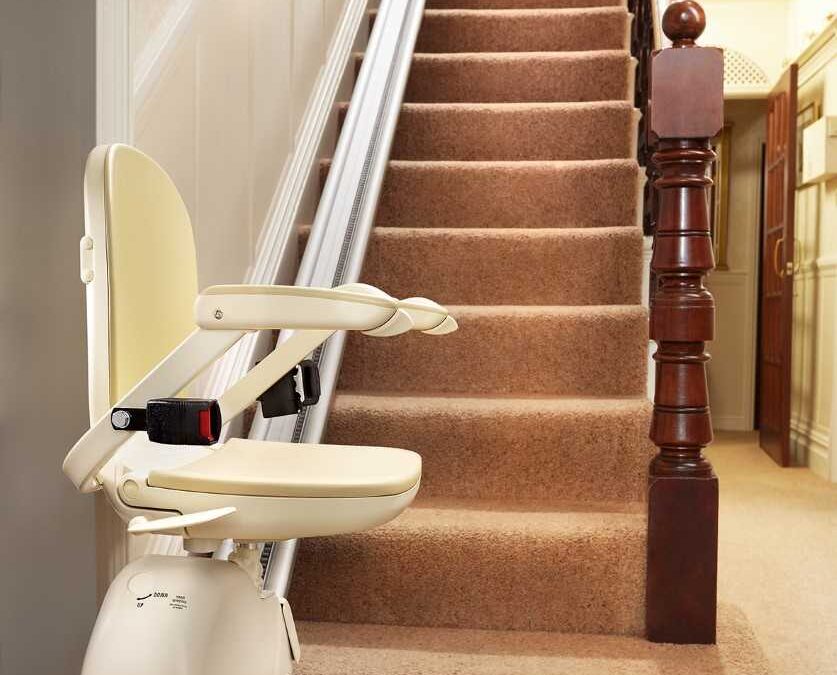
A&A Mobility provides a range of mobility products and home-based assessment support, helping customers consider options such as wheelchairs, mobility scooters, stairlifts, bathroom solutions and everyday living aids.
An assessment can be useful because every property is different. The most suitable solution depends on the layout of the home, the available space and the way the entrance is used day to day.
A More Practical Entrance Supports Everyday Independence
A home entrance should feel straightforward to use, whatever the weather and whatever stage of life a person is in.
By keeping paths clear, improving drainage, maintaining steps, adding suitable lighting and reviewing thresholds, homeowners can make the approach to their property more practical and welcoming.
These changes may also help reduce the risk of small issues becoming more disruptive later. Water pooling on a path, loose paving or an awkward entrance layout can often be easier to address when identified early.
For advice on mobility equipment, home assessments or practical solutions to support easier everyday movement around the home, contact A&A Mobility today.