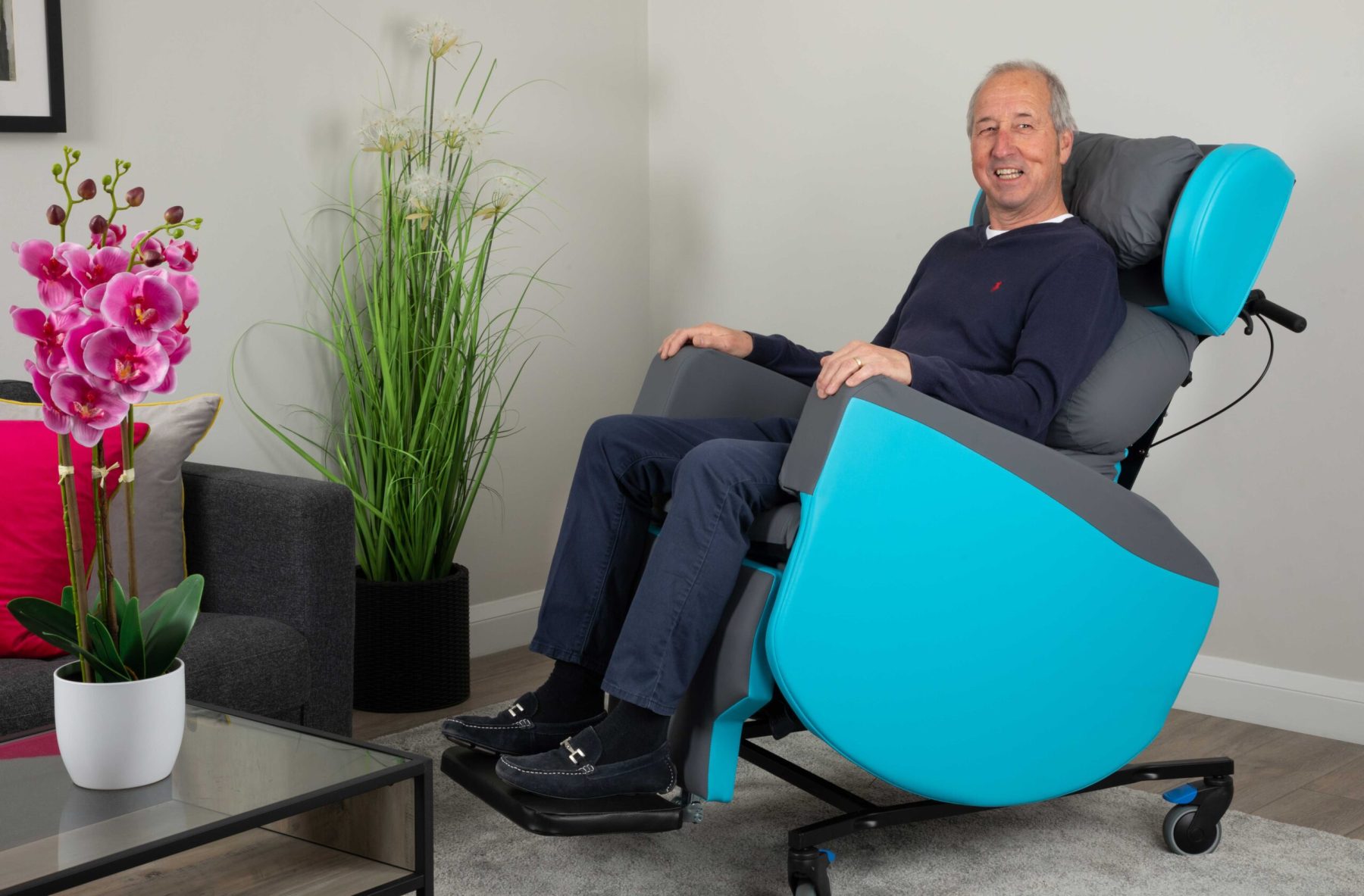
When comparing rise and recline chairs, one of the most important choices is the movement system. A single motor riser recliner and a dual motor riser recliner can both help the user change position and rise towards standing, but they do not offer exactly the same control.
AA Mobility supplies both single and dual motor riser recliner chairs. Understanding how the mechanisms differ can make it easier to choose a chair that matches the user’s comfort, positioning and everyday routine.
Single Motor vs Dual Motor Riser Recliners at a Glance
| Feature | Single Motor | Dual Motor |
|---|---|---|
| Backrest and leg rest | Move in a coordinated sequence | Can be adjusted more independently |
| Controls | Generally simpler movement choices | More positioning combinations |
| Best suited to | Users who value straightforward operation | Users who want greater control over reclined positions |
| Position flexibility | Good, but movement is linked | Greater flexibility because sections can move separately |
The motor type is only one part of choosing a chair. Correct sizing, seat support and the user’s mobility should also be assessed.
How Does a Single Motor Riser Recliner Work?
AA Mobility explains that a single motor chair uses one control system to move the backrest and footrest together in a coordinated motion. This keeps operation straightforward and can suit users who prefer a simple sequence rather than selecting from many independent positions.
As the chair reclines, the movement of the back and leg sections is linked. The exact motion varies between chair designs, so it is worth trying the specific model and checking whether the resulting positions feel comfortable for reading, watching television and resting.
How Does a Dual Motor Riser Recliner Work?
A dual motor riser recliner provides greater separation between the movement of the backrest and leg rest. AA Mobility describes dual motor models as allowing the backrest and footrest to be adjusted more independently, giving the user more flexibility to find a preferred seated or reclined position.
This additional control can be useful for someone who wants to raise the legs without reclining the back to the same degree, or who wants to fine-tune their position throughout the day. More movement options do not automatically make dual motor the better choice for everyone; some users prefer the simplicity of fewer controls.
Which Is Easier to Use?
For straightforward operation, a single motor chair can be appealing because the movement sequence is simpler. Dual motor chairs provide more adjustment, which means the handset may offer additional controls.
The right question is not simply “Which handset has fewer buttons?” It is whether the user can understand, see and comfortably operate the controls. Hand strength, dexterity and familiarity with powered furniture can all affect the decision.
Which Offers More Positioning Flexibility?
Dual motor chairs generally offer the greater range of independent positioning because the back and leg sections are not required to move together in the same way. That can make it easier to create different positions for reading, resting or relaxing.
However, chair geometry matters. Different manufacturers and models can use different movement patterns, including specialist tilt-in-space configurations. Always compare the actual chair rather than relying only on the words “single motor” or “dual motor”.
Correct Chair Size Matters as Much as Motor Type
A sophisticated movement system cannot compensate for a chair that does not fit the user properly. Seat height, seat depth, seat width, back height and arm position all influence comfort and the ability to stand from the chair.
AA Mobility highlights the importance of measurements when choosing seating and offers at-home and in-shop assessments. If the user has more complex postural or pressure-management needs, explore the specialist seating options as well.
Think About How the Chair Will Be Used Every Day
Before choosing a movement system, consider the user’s real routine:
- How frequently will the rise function be used?
- Does the user spend long periods sitting in the chair?
- Do they regularly elevate their legs?
- Would independent back and leg adjustment be useful?
- Does the user prefer very simple controls?
- Will the chair be used for resting or sleeping as well as normal sitting?
- Is there enough room in the intended position for the chair to recline safely?
These questions are often more useful than choosing a chair based on price or appearance alone.
Positioning the Chair at Home
Powered riser recliners need an appropriate position in the room, including access to power and enough clearance for the intended movement. Think about nearby walls, radiators, side tables and walking routes before delivery.
AA Mobility’s Guide to Buying Seating provides additional practical points to consider when selecting and positioning a chair.
Frequently Asked Questions
What is the main difference between single and dual motor riser recliners?
In simple terms, a single motor chair moves the backrest and leg rest in a coordinated sequence, while a dual motor chair allows greater independent adjustment of those sections.
Is a dual motor riser recliner always better?
No. Dual motor provides more positioning flexibility, but some users prefer the simpler operation of a single motor chair. Fit, comfort and the user’s needs are more important than choosing the option with the most controls.
Can riser recliners be made in different sizes?
Yes. AA Mobility’s current seating information explains that chairs are available in different sizes and that measurements should be taken to match the user.
Should I be measured before buying?
It is a good idea, particularly if the chair will be used for long periods or if mobility, posture or transfer needs need to be considered. AA Mobility offers in-store and home assessments.
Which Riser Recliner Should You Choose?
Choose the movement system around the user rather than assuming that more motors automatically means a better chair. A single motor riser recliner can provide simple, coordinated movement, while a dual motor model offers more independent adjustment and positioning flexibility.
Explore AA Mobility’s riser recliner chairs, read Rise and Recline Chairs: Comfort, Support and Independence at Home, or arrange an assessment to find a chair that fits the user and the home.