A comfortable chair can make a significant difference to daily life, especially for people who spend longer periods seated or find it difficult to stand up from a standard armchair. For many people, getting in and out of a chair can place strain on the knees, hips, back and arms. A rise and recline chair is designed to make this movement easier while also supporting comfort, posture and independence at home.
Rise and recline chairs are more than ordinary armchairs. They use powered movement to gently lift the user towards a standing position and recline the chair for rest and relaxation. This can help reduce physical effort, support safer transfers and make everyday routines feel more manageable.
At Additional Aids Mobility, customers can find a range of riser recliners and chairs and special seating designed to support comfort, mobility and independence at home.
What Is a Rise and Recline Chair?
A rise and recline chair is a powered chair that helps the user sit down, stand up and recline with greater ease. The rise function tilts and lifts the chair forward, helping the user move towards a standing position without needing to push heavily through the arms or legs.
The recline function allows the backrest and footrest to move into a more relaxed position. This can be useful for resting, watching television, reading or simply finding a more comfortable seated posture during the day.
Most rise and recline chairs are controlled using a simple handset. This allows the user to adjust the chair gradually and stop at a comfortable position.
Who Could Benefit from a Rise and Recline Chair?
A rise and recline chair may be useful for anyone who finds it difficult to get in and out of a standard chair. This could include older people, people with arthritis, reduced strength, joint discomfort, balance concerns, back pain or limited mobility.
It may also help people recovering from surgery or illness who need additional support during everyday transfers. Instead of relying on another person to help them stand, a rise and recline chair can provide controlled assistance.
For people who spend a lot of time seated, the right chair can also improve comfort and reduce the need to constantly reposition themselves.
Supporting Safer Transfers
Standing up from a low or unsuitable chair can be difficult and sometimes unsafe. If the chair is too soft, too low or lacks support, the user may need to rock forward, push heavily through the arms or rely on furniture nearby for balance.
A rise and recline chair helps by bringing the user into a more upright and supported position. This can make standing feel smoother and more controlled.
For many people, this can reduce the worry associated with getting up from a chair and help them move around the home with more confidence.
Comfort for Long Periods of Sitting
Comfort is a key reason people choose rise and recline chairs. A well-fitted chair can provide better support for the back, legs, arms and head. This is especially important for people who spend extended periods sitting throughout the day.
The recline function can help the user change position, raise the legs and find a more relaxed posture. This can make daily activities such as reading, resting, watching television or socialising more comfortable.
Chair size, seat depth, back height, cushioning and support all matter. A chair that is too large, too small or poorly shaped may not provide the right level of comfort.
Single Motor and Dual Motor Chairs
Rise and recline chairs are often available in different motor types. A single motor chair usually moves the backrest and footrest together using one control system. This can be simple and easy to use, making it suitable for many users.
A dual motor chair allows the backrest and footrest to be adjusted more independently. This gives the user more control over their seated and reclined position.
The right option depends on the user’s needs, comfort preferences, mobility and how much adjustment they require during the day.
Specialist Seating and Postural Support
Some people need more than a standard rise and recline chair. Specialist seating may be required where posture, pressure relief, stability or long-term sitting comfort are important.
Additional Aids Mobility offers specialist seating designed to support people who may not sit comfortably or stably in standard chairs. Specialist seating can help with pressure management, posture and support for people who spend longer periods seated.
If the user has complex needs, professional advice should always be sought before choosing a chair. The right chair can support comfort and independence, while the wrong chair may make positioning issues worse.
Choosing the Right Chair Size
Chair size is extremely important. A rise and recline chair should support the user properly from the seat to the backrest. If the seat is too deep, the user may slide forward or struggle to sit upright. If it is too shallow, the legs may not be supported properly.
The seat height also matters. The user’s feet should be able to rest comfortably, and the rise function should support a safe standing position.
Additional Aids Mobility also provides a Guide to Buying Seating, which can help customers understand what to consider when choosing specialist seating, high back chairs or riser recliners.
Pressure Relief Considerations
For people who sit for long periods, pressure relief can be important. Pressure can build up when weight is concentrated in one area for too long, especially if the person has limited movement or reduced ability to reposition themselves.
Some rise and recline chairs can be specified with different cushioning or pressure relief options. The right choice depends on the user’s health, posture, skin condition and time spent seated.
If there is a risk of pressure damage, advice from an appropriate healthcare professional may also be needed.
Independence Around the Home
A rise and recline chair can help people feel more independent in their own home. Being able to sit, rest and stand with less assistance can make a major difference to confidence.
It can also reduce strain on family members or carers who may otherwise need to help the user stand up from a chair. By supporting smoother transfers, the chair can make everyday routines safer and more manageable.
For many people, the right chair becomes an important part of daily living, supporting both comfort and mobility.
Trying Before You Buy
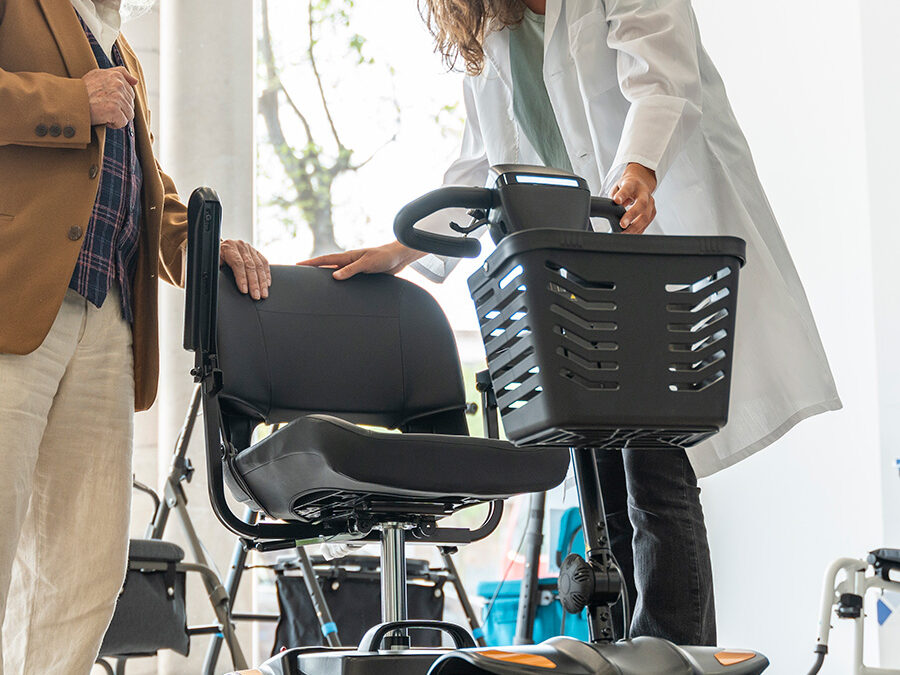
Choosing a chair from pictures alone can be difficult. Comfort, size, support and ease of use all need to be tested where possible. Visiting a showroom can allow the user to try different chairs and understand what feels right.
Additional Aids Mobility’s showroom is based at 80 High Street, Whitton, near Twickenham. Customers can also ask about suitable options and assessments before making a decision.
Testing a chair can help confirm whether the height, width, cushioning, controls and movement are suitable for the user’s needs.
Final Thoughts
Rise and recline chairs can provide valuable comfort, support and independence at home. They can make it easier to sit down, stand up, rest comfortably and manage daily routines with greater confidence.
The best chair will depend on the user’s mobility, posture, size, comfort needs and home environment. Taking time to choose properly can help ensure the chair provides lasting support.
To explore suitable options, visit Additional Aids Mobility’s riser recliner page or browse the full chairs and special seating range.