Stairs can become one of the most difficult parts of the home when mobility starts to change. What was once a simple daily movement can begin to feel tiring, uncomfortable or unsafe. For many people, this can make parts of the home feel harder to access and may even lead to avoiding upstairs rooms altogether. A stairlift can help make moving around the home easier by providing a safe and supported way to travel between floors.
For people who want to stay independent at home, a stairlift can be a practical and reassuring solution. It can reduce the strain of climbing stairs, lower the risk of trips or falls, and help make the whole property feel usable again. Whether the need is long-term or linked to recovery after illness, surgery or injury, choosing the right stairlift can make a noticeable difference to everyday comfort and confidence.
At Additional Aids Mobility, customers can find support across a wide range of mobility products, including stairlifts, mobility scooters, powerchairs, wheelchairs, seating and daily living aids. With the right advice, a stairlift can be chosen to suit both the user and the layout of the home.
What Is a Stairlift?
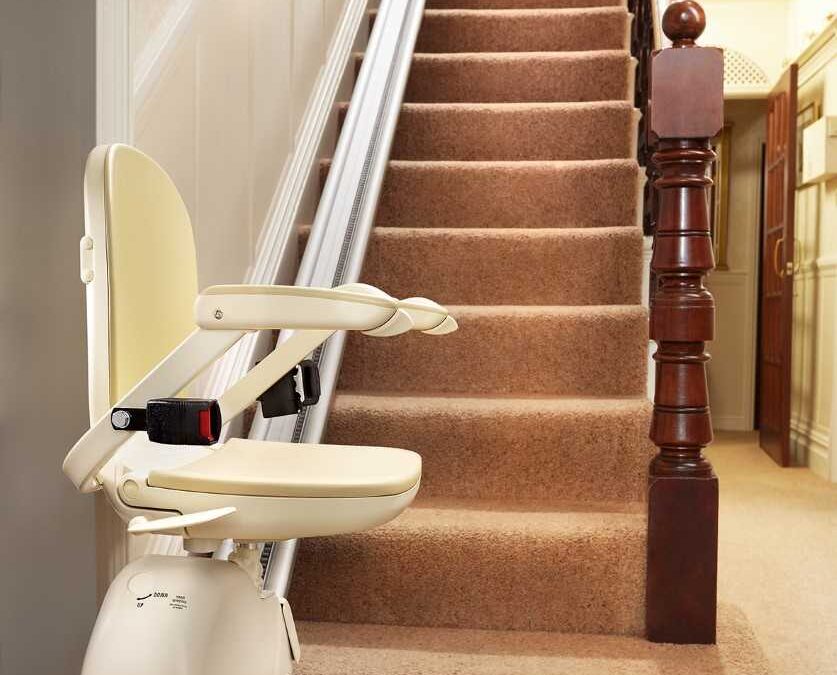
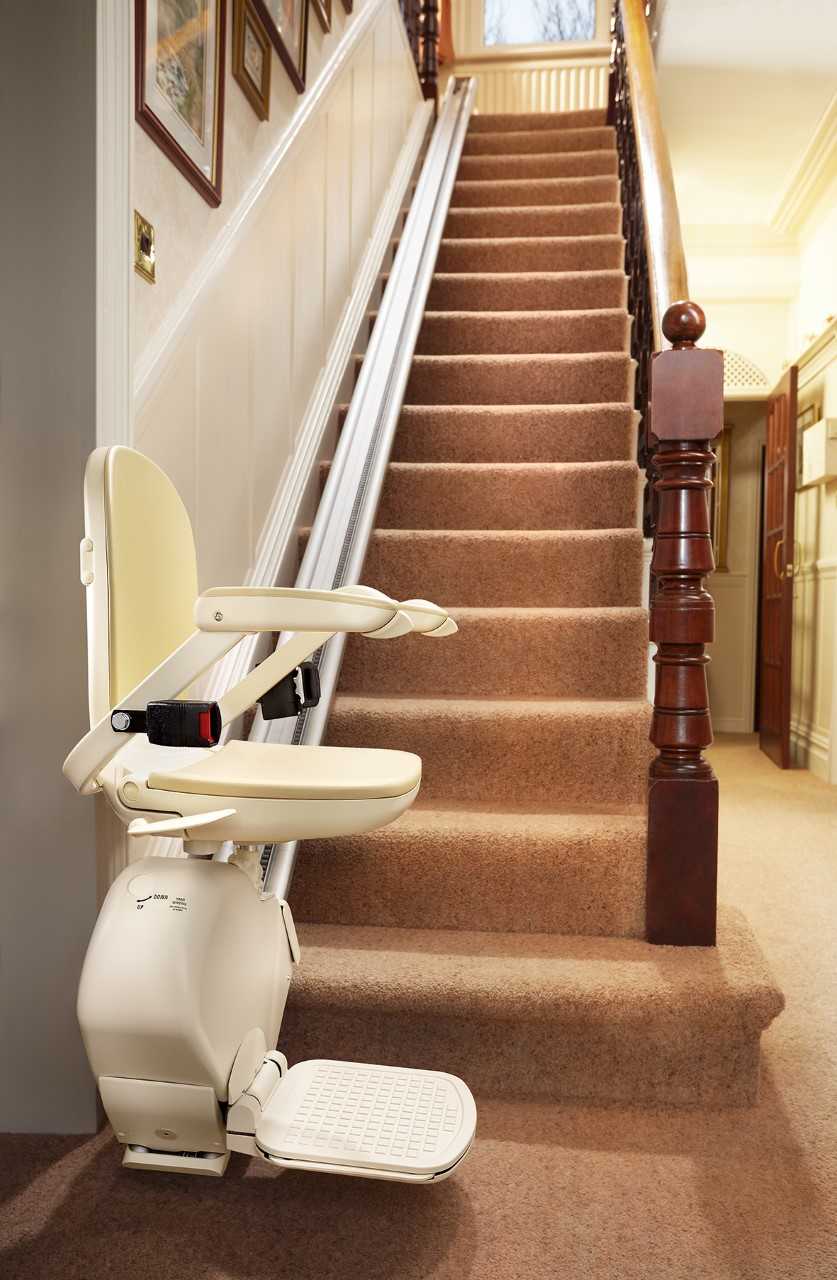
A stairlift is a motorised chair that travels along a rail fitted to the staircase. The user sits safely on the chair, uses the controls to move up or down the stairs, and then gets off at the top or bottom landing. Stairlifts are designed to make stairs easier to manage for people who find climbing steps difficult, tiring or unsafe.
Most stairlifts are fitted to the stairs rather than the wall, which means they can often be installed without major building work. The exact setup will depend on the staircase, the user’s needs and whether the stairs are straight, curved, narrow or positioned outdoors.
Modern stairlifts are designed with comfort and safety in mind. Features may include swivel seats, safety belts, armrests, footrests, obstruction sensors and easy-to-use controls.
Who Could Benefit from a Stairlift?
A stairlift may help anyone who struggles to use stairs safely or comfortably. This could include older people, people with reduced mobility, individuals recovering from surgery, or those living with conditions that affect balance, strength, joints or stamina.
Some people only need help with stairs occasionally, while others need daily support. A stairlift can make it easier to access bedrooms, bathrooms and living spaces without relying on another person for help.
It can also be useful for people who are still mobile but want to reduce the strain that stairs place on their body. By making stairs easier to manage, a stairlift can help support independence and make the home feel more accessible.
Straight Stairlifts
A straight stairlift is designed for a staircase that travels in a straight line without curves, bends or intermediate landings. This is often the simplest and most cost-effective type of stairlift because the rail is usually easier to manufacture and install.
Additional Aids Mobility explains that straight stairlifts fit to the side rail on the stairs and do not usually require major building work. They also run on batteries that charge when the chair is parked at the top or bottom of the stairs, helping ensure the lift can still be used during a power cut.
If your staircase is straight and has enough space for safe use, a straight stairlift may be a practical option to consider.
Curved Stairlifts
A curved stairlift is used for staircases with bends, turns, half-landings or more complex layouts. These stairlifts usually require a rail that is made to measure, so they can follow the exact shape of the stairs.
Curved stairlifts may take longer to plan and install than straight stairlifts because the rail needs to be designed around the property. However, they can be extremely useful for homes where a straight rail would not work.
A home assessment can help confirm whether a curved stairlift is needed and what type of installation would be most suitable.
Outdoor Stairlifts
Some homes have external steps leading to a garden, front entrance or outdoor level change. In these cases, an outdoor stairlift may help improve access outside the property.
Outdoor stairlifts are designed to cope with external conditions and are usually built with weather-resistant materials and covers. They can be especially useful where steps make it difficult to access the garden, driveway or main entrance.
As with indoor stairlifts, the right option depends on the number of steps, the available space and the user’s needs.
Key Safety Features to Consider
Safety is one of the most important parts of choosing a stairlift. A suitable stairlift should feel stable, controlled and easy to use. Many models include safety belts to help the user stay secure while travelling, as well as sensors that stop the stairlift if there is an obstruction on the stairs.
A swivel seat can make it easier to get on and off safely, especially at the top of the stairs. Foldaway arms, seats and footrests can also help keep the staircase clear for other people in the home.
Controls should be simple and comfortable to operate. For some users, large buttons, joystick-style controls or remote controls may be easier to manage.
Why a Home Assessment Matters
A stairlift should be chosen around both the person using it and the staircase it will be fitted to. This is why a home assessment is so important. During an assessment, measurements can be taken, access can be reviewed and the user’s needs can be discussed properly.
Additional Aids Mobility offers an At Home Or In Shop Assessment service to help customers choose the right mobility products. A home assessment can check staircase width, landing space, doorway positions, user transfer needs and any potential obstacles.
This helps ensure the stairlift is suitable before any decisions are made. It can also give customers and family members the chance to ask questions and understand how the stairlift would work in daily use.
Installation and Timescales
Installation times can vary depending on the stairlift type and whether the rail needs to be custom-made. Straight stairlifts are often more straightforward, while curved stairlifts may require more detailed planning.
The installation should be carried out by trained professionals who understand the product and the property requirements. Once fitted, the user should be shown how to operate the stairlift safely, including how to park it, charge it, use the seatbelt and respond if the stairlift stops unexpectedly.
Good installation and clear guidance can help the user feel more confident from the beginning.
Stairlift Servicing and Support
Like any mobility product, a stairlift should be maintained properly. Regular servicing can help check the rail, seat, motor, batteries, sensors and controls. This can reduce the risk of faults and help keep the stairlift operating safely.
Additional Aids Mobility provides stairlift repairs, service and support, which can be useful for keeping equipment in good condition over time.
Servicing is particularly important for stairlifts used every day, as even small faults can affect confidence and convenience in the home.
How Stairlifts Support Independence
One of the biggest benefits of a stairlift is the independence it can provide. Instead of being limited to one floor or relying on help to move between levels, users can access more of the home safely and comfortably.
This can make a major difference to daily life. Bedrooms, bathrooms, storage areas and upstairs living spaces can remain usable, helping people stay in familiar surroundings for longer.
A stairlift can also provide reassurance for family members, especially if they are concerned about falls or the strain of climbing stairs.
Final Thoughts
A stairlift can be a practical way to make moving around the home easier, safer and more comfortable. Whether you need a straight stairlift, curved stairlift or outdoor solution, the right product should be chosen around the user, the staircase and the layout of the property.
By arranging a proper assessment and getting expert advice, you can understand which option is most suitable and how it could improve day-to-day independence at home.
To explore stairlift options, visit Additional Aids Mobility’s stairlifts range or contact Additional Aids Mobility for friendly support.