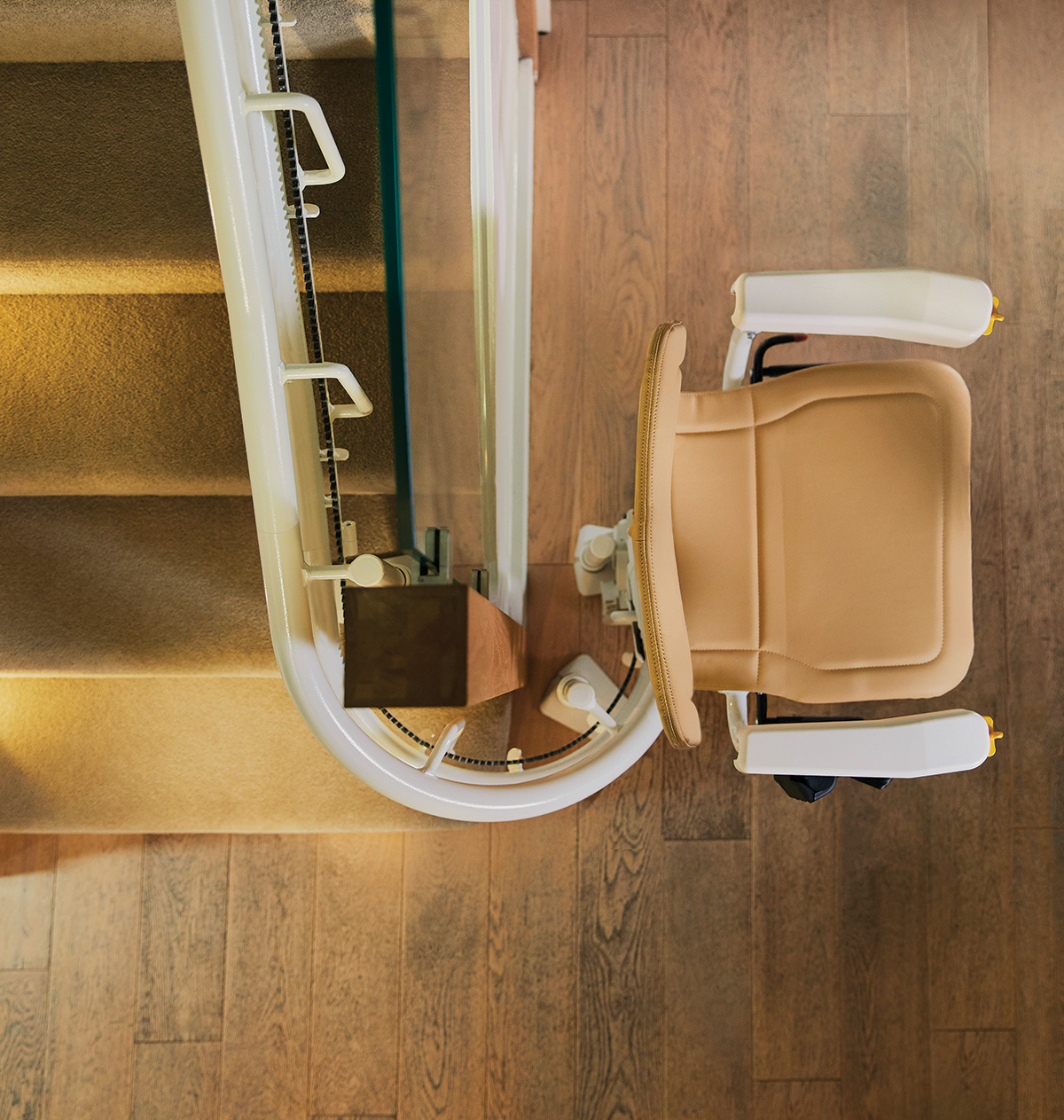
A safe home environment is essential for people with reduced mobility, older adults, wheelchair users, and anyone recovering from illness or injury. The right adaptations can improve confidence, reduce risks, and make everyday routines easier.
Many homeowners think first about indoor changes, such as stairlifts, grab rails, accessible bathing solutions, and mobility equipment. These are incredibly important, but exterior improvements should also be considered.
A well-maintained property can help reduce hazards both inside and outside the home.
Looking at the Whole Property
When assessing a home for accessibility, it is useful to think about how someone moves through the property from start to finish. This includes approaching the home, using paths and driveways, entering through doors, moving between rooms, and accessing bathrooms or bedrooms safely.
Outdoor risks can affect indoor comfort too. For example, poor drainage can lead to damp, leaks, and slippery entrance areas.
If gutters are blocked, cracked, or overflowing, rainwater may run down walls or collect around doorways. This can create both safety and maintenance concerns.
The Importance of Safe Access Routes
Access routes should be kept as level, stable, and dry as possible. For someone using a mobility scooter, wheelchair, walking frame, or stick, wet and uneven surfaces can be difficult to manage.
Good drainage helps reduce water build-up around these areas. This is particularly important near ramps, front doors, side paths, garages, and garden entrances.
Installing a reliable rainwater system from a specialist supplier such as Alugutter can help protect the home and support safer access around the property.
Practical Adaptations to Consider
Every home is different, but common safety-focused improvements may include:
- Grab rails near steps and entrances
- Threshold ramps for easier access
- Non-slip flooring or outdoor surfacing
- Better outdoor lighting
- Accessible bathroom upgrades
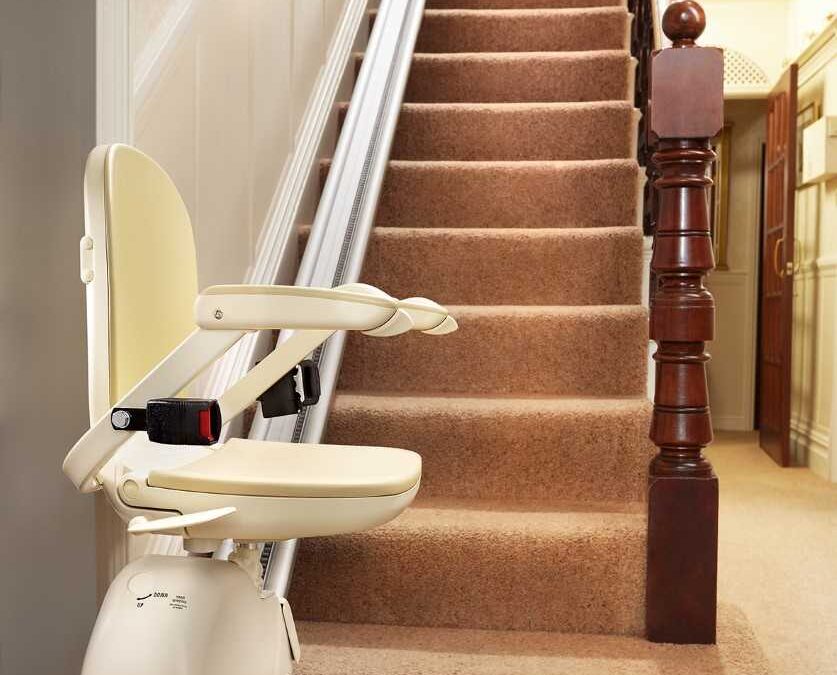
- Stairlifts or through-floor lifts
- Clearer pathways around the property
- Improved guttering and drainage
These changes can work together to create a more supportive living space.
Lower Maintenance Can Mean Less Stress
For homeowners with mobility difficulties, ongoing property maintenance can be a real challenge. Jobs such as clearing blocked gutters, fixing leaks, or dealing with water damage can become physically demanding and stressful.
Choosing durable materials can reduce the need for frequent attention. Aluminium guttering is a practical option because it is strong, weather-resistant, and designed for long-term performance.
A quality system from Alugutter can help reduce recurring issues caused by failing or ageing gutters.
Peace of Mind for Families and Carers
Home adaptations are often made not only for the person living in the property, but also for the peace of mind of family members and carers.
Knowing that the home is safer, easier to access, and better protected from water damage can make a meaningful difference.
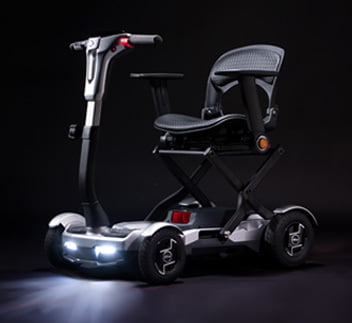
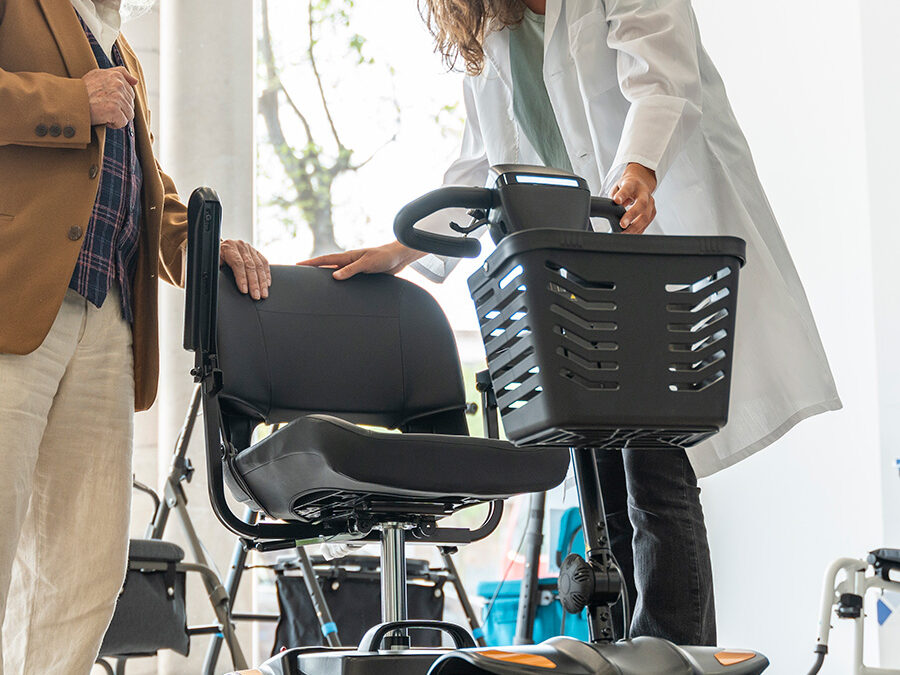
A&A Mobility supports customers with mobility solutions that help people live more comfortably and confidently at home. When combined with practical exterior upgrades, these improvements can support a safer and more independent lifestyle.
Final Thoughts
Reducing hazards at home means thinking beyond individual products. It requires a joined-up approach that considers movement, access, comfort, and maintenance.
From mobility equipment to reliable rainwater systems, each improvement can help create a safer and more manageable home environment.